

The road to Nirvana! System hierarchy - some thoughts, deliberations and opinions
/Hello all, and welcome to the August blog from Audio T Brighton! A few weeks back I saw an article where music enthusiasts were canvassed on their opinions on the importance of system hierarchy. Not that we’re opinionated here at Brighton (well, perhaps John is), but I thought it interesting enough to blog about this month, so here goes.
Source first...
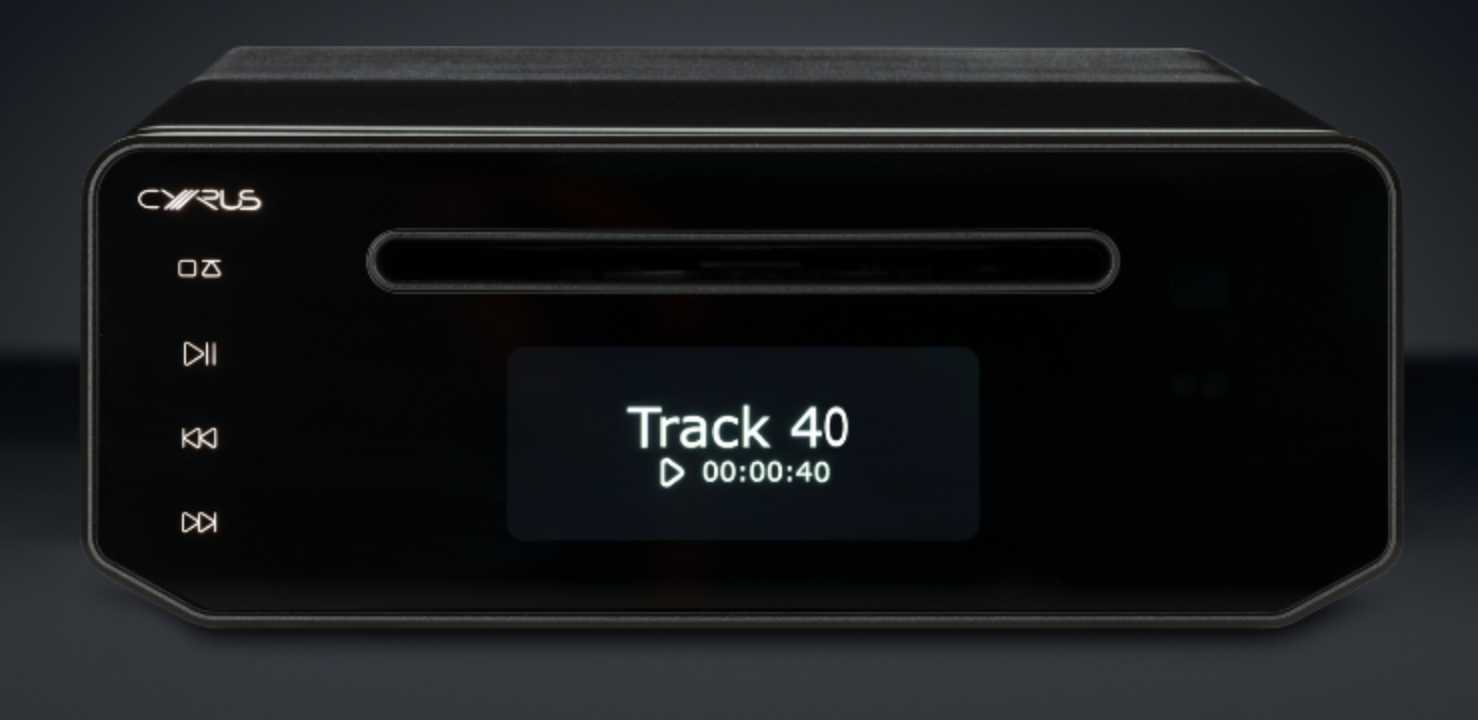
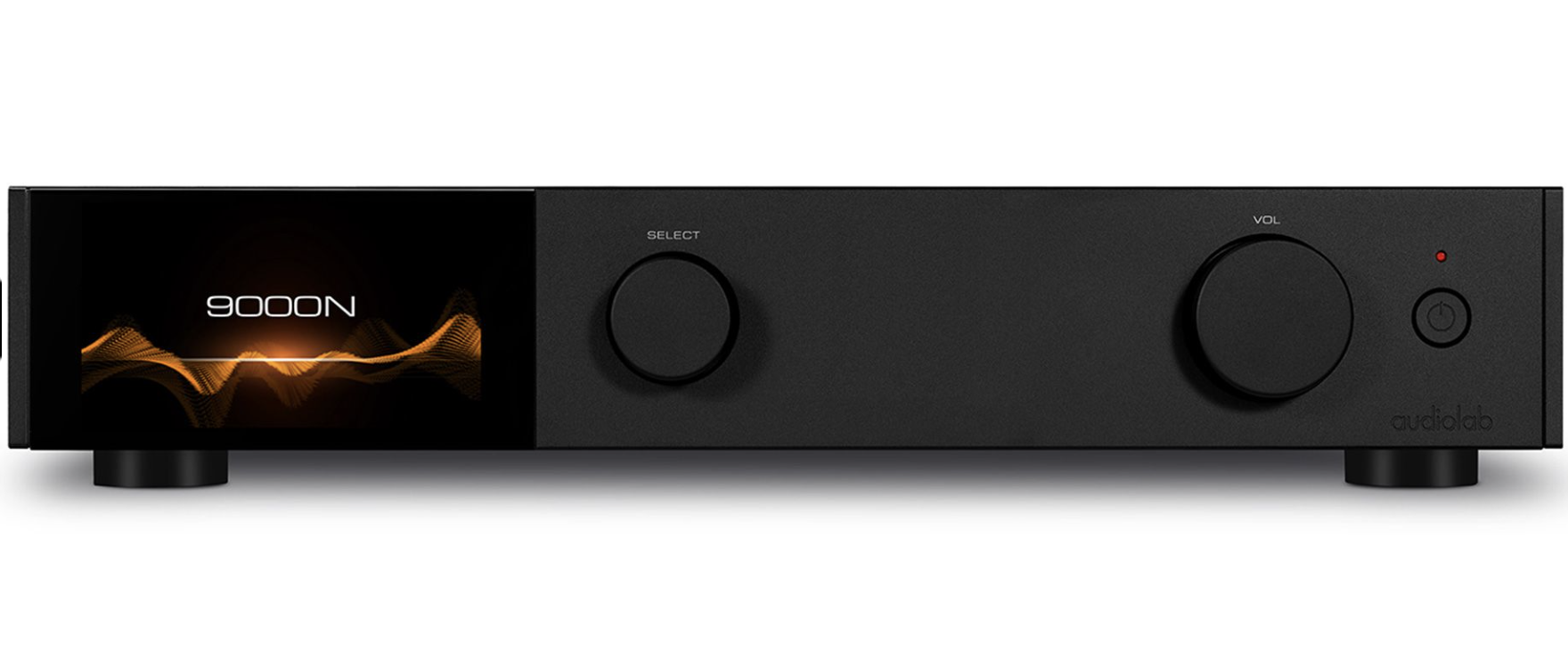
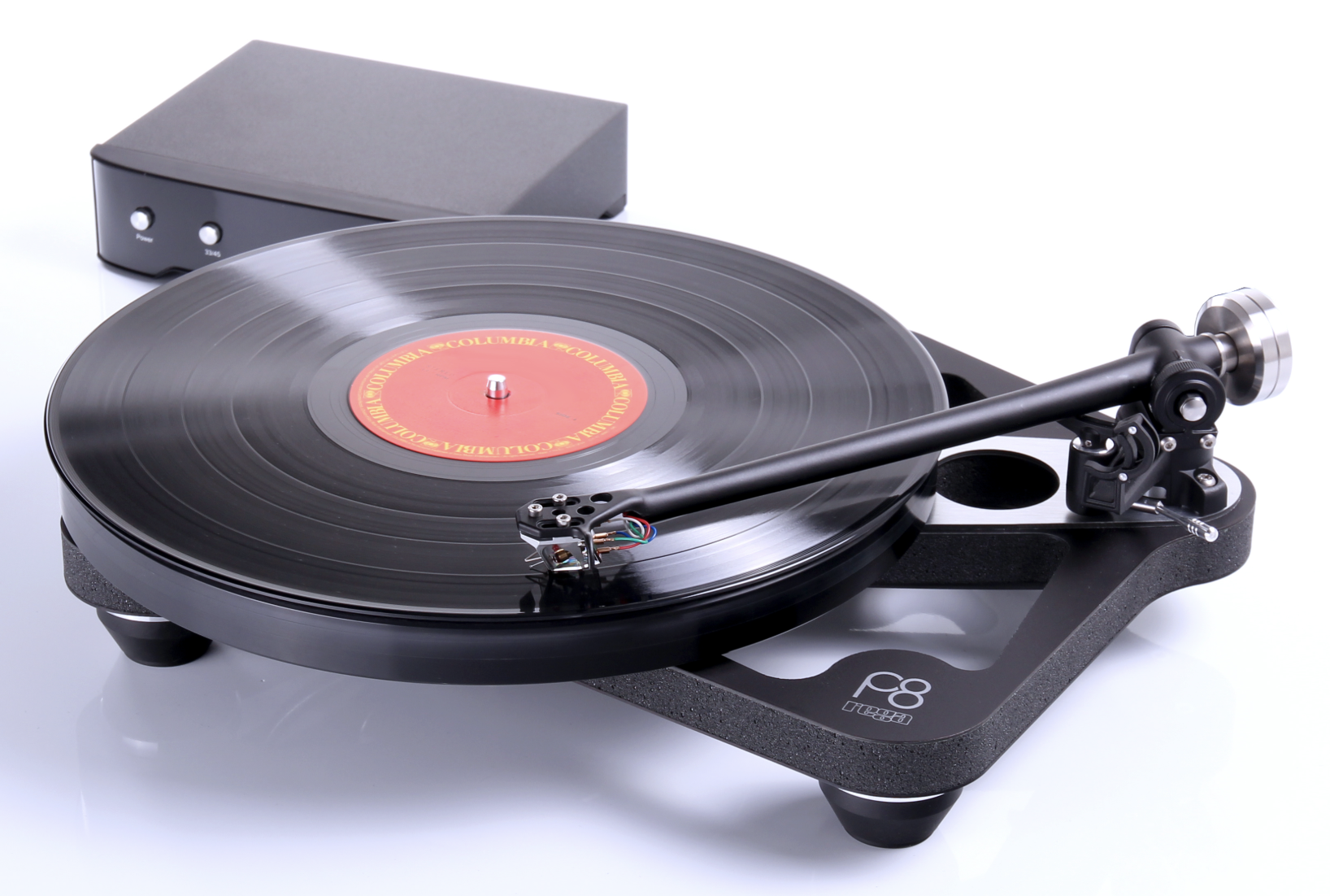
The first question might be – what do you consider to be a source?
The obvious answers are: a turntable, a CD player, a streamer and, if from an “old school” or retro set-up: a tuner, cassette deck or, if you’re serious about playback, an open-reel tape deck! The “old school” retro sources are not so readily available brand new these days, so the second-hand market will be your saviour if these are your choice.
The argument for “source first” is: unless the information from the musical signal is captured at this point, it can never be recovered further down the signal path. This is quite logical, but there will be folks who’ll argue differently – do you want the five-minute argument or are you going for the full half-hour (quoting from Monty Python!)?
Recommended sources - at Budget, Mid-priced and High-end might be:
Turntables - Rega Planar 1(Carbon), Rega Planar 8, Rega Naia(Aphelion 2)
CD players - Marantz CD6007, Rega Saturn Mk3, Cyrus CD40/Cyrus PSU
Streamer/Network player - Bluesound Node, Audiolab 9000N, Naim NSS333
Some readers may well say that none of the above are actually a “true source” because music production happens before you even get to use them. Now we get into the equipment used to record and produce music – including microphones, mixing consoles etc. There is little doubt that recording, mastering, mixing and compression affect playback sound quality further down the line, including whether you record using analogue tape or digital methods – let’s not even go down the PCM versus DSD debate!
Ultimately, there are more questions than answers where the “source first” argument kicks in, and that’s before we discuss the other parts of the sound chain. I have already written about digital sources in one of my earlier blogs – you are welcome to read about that here.
Here at Audio T in Brighton, we would argue that we have no control over the music production process, so our “source first” recommendations are based on equipment that we think offers good sonic performance and decent value, whilst allowing worthwhile upgrades to be done further down the music chain when the customer is able.
Amplification...
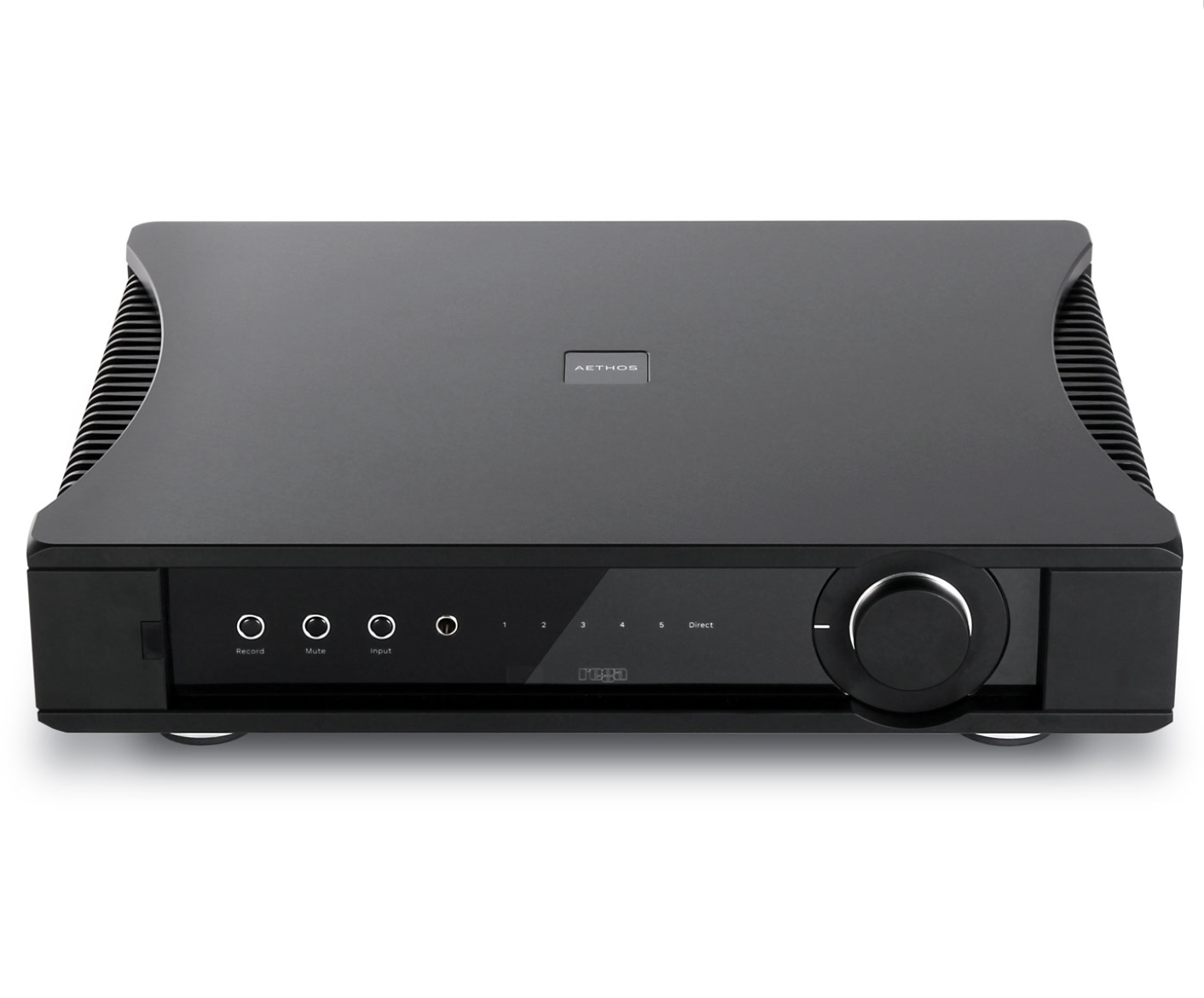
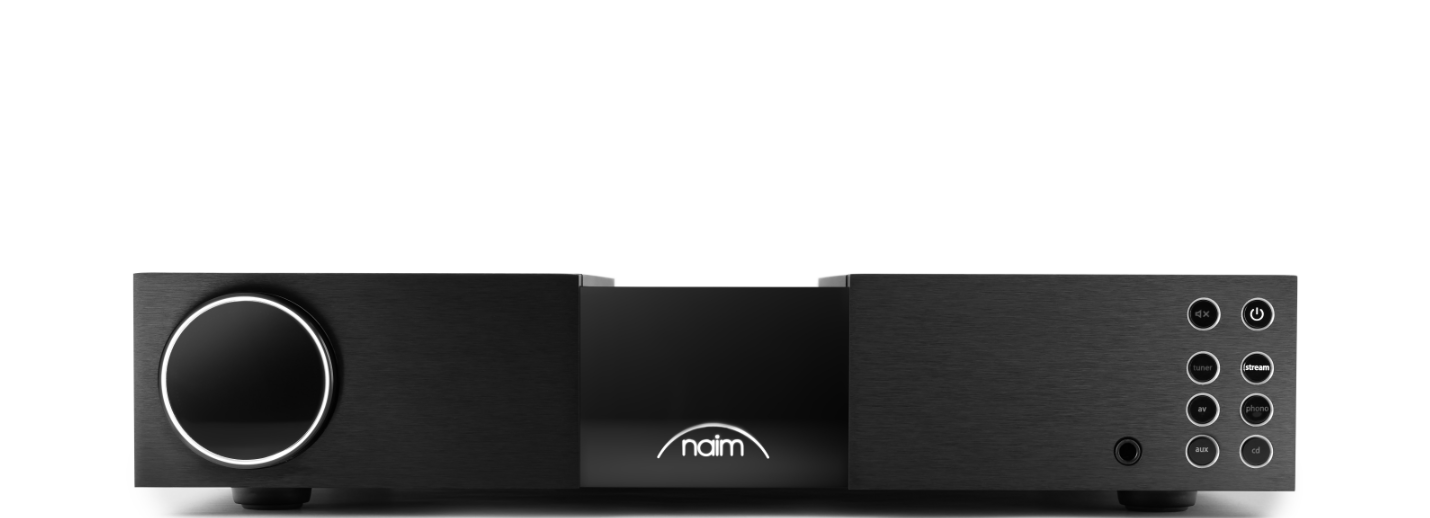
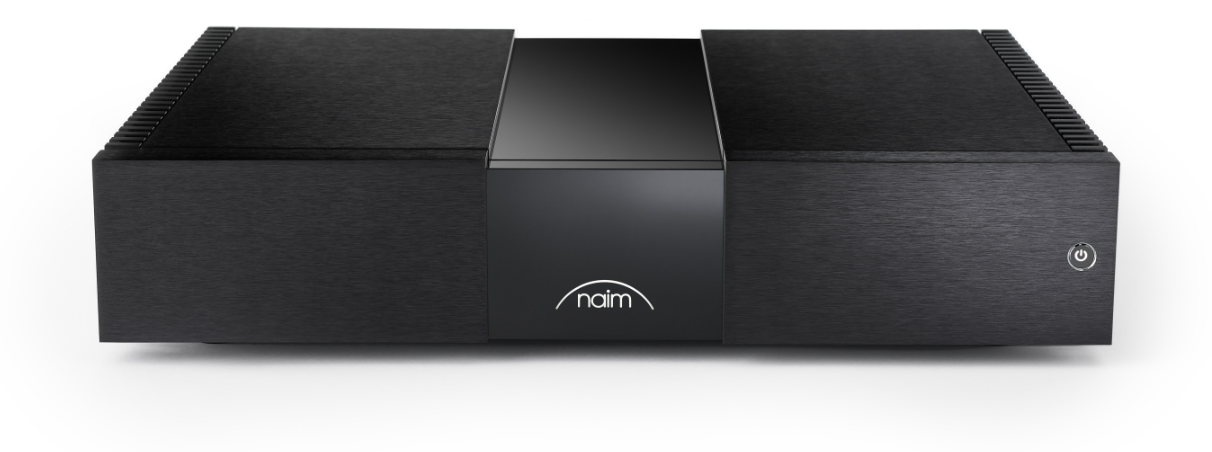
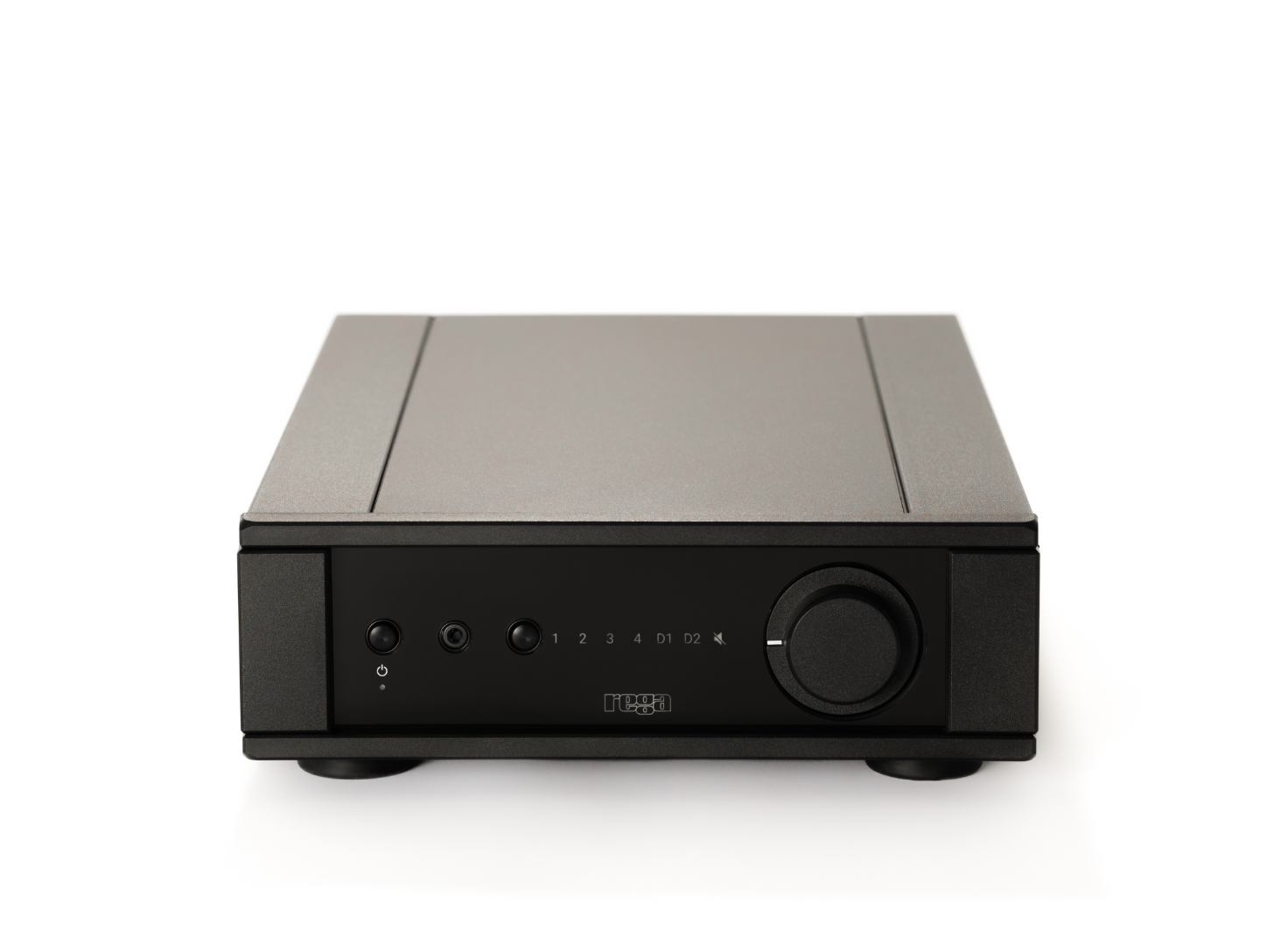
Now, there are those folk who feel the amplifier choice is the most important part of the sound chain, given it is the “engine room” of your music system.
This makes a lot of sense because an amplifier needs to boost a source signal cleanly and with sufficient power, current, bandwidth, damping factor and headroom to drive your loudspeakers sufficiently to retain musical detail at low volume levels for late-night listening, and yet have enough clout to party out when loud, dynamic volume swings are needed.
A perfect amplifier is often described as a piece of wire with gain, not affecting the sound characteristics of the source and with as little added distortion as possible. Again, some will say the source needs some additional sauce, and this is what a well-matched amplifier will bring.
Recommended amplifiers - at Budget, Mid-priced and High-end might be:
Amplifiers - Rega Brio, Rega Aethos and Naim 332 pre-amp/Naim NAP250 power amp
Not all amplifiers meet the exacting requirements of perfect playback, and a visit to Audio T in Brighton can assist with your particular use case and arrange a demo.
Loudspeakers...
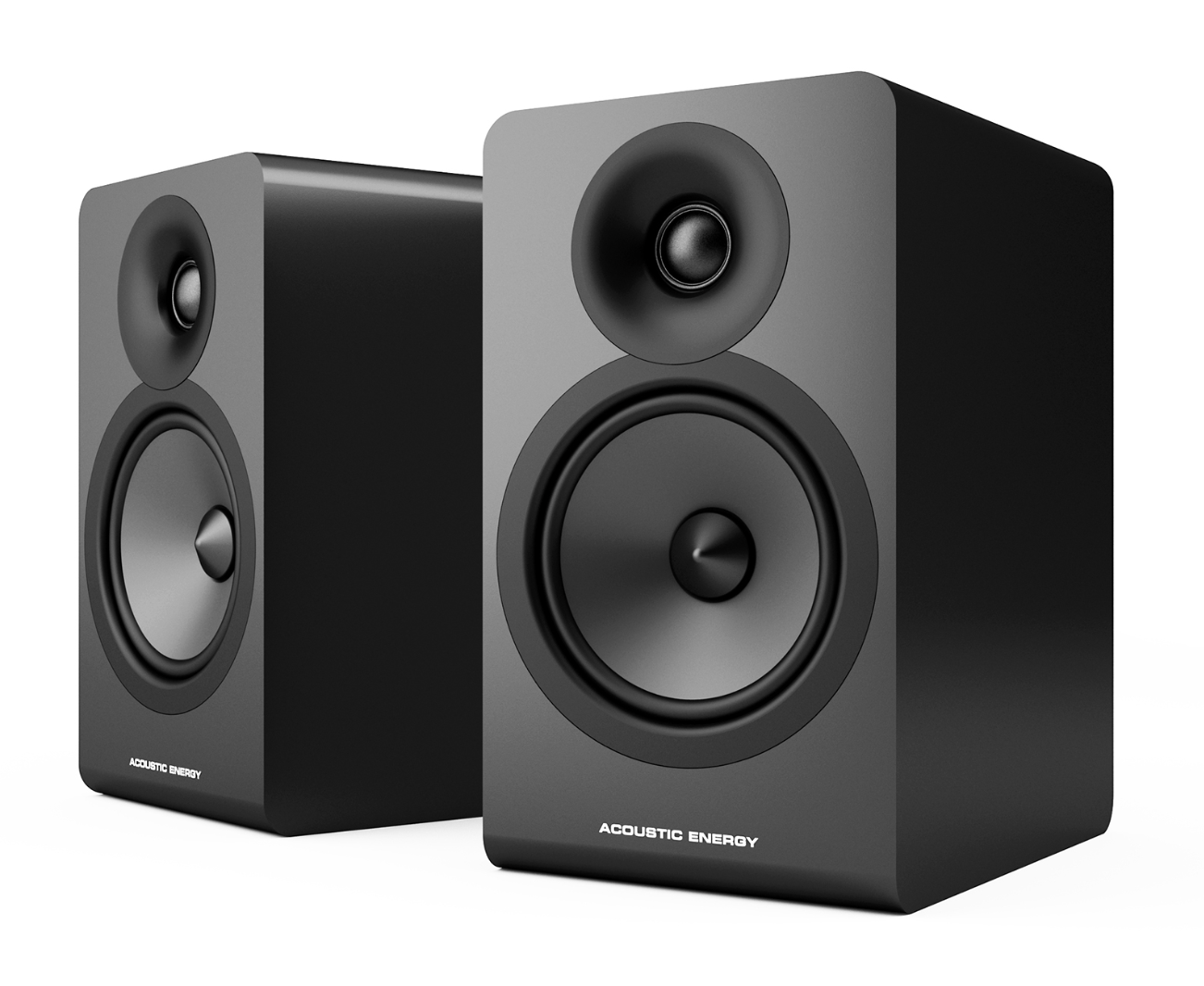
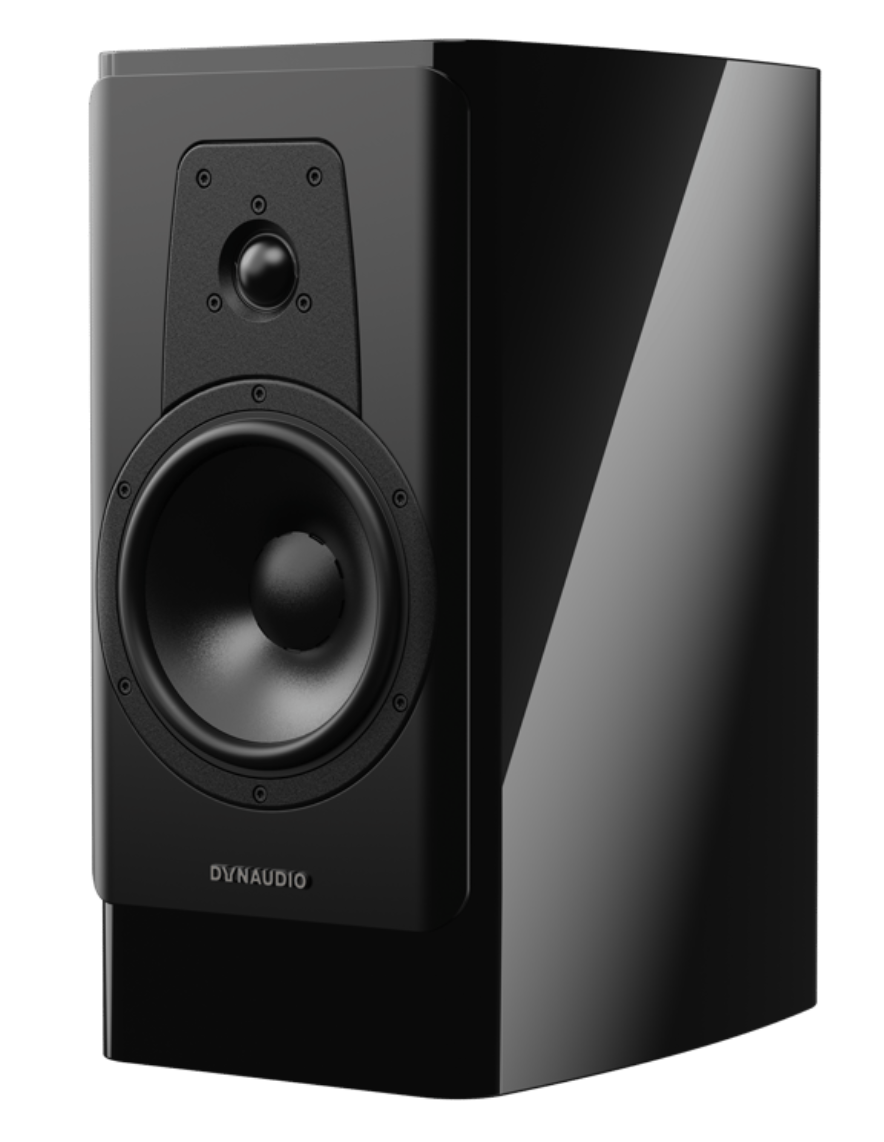
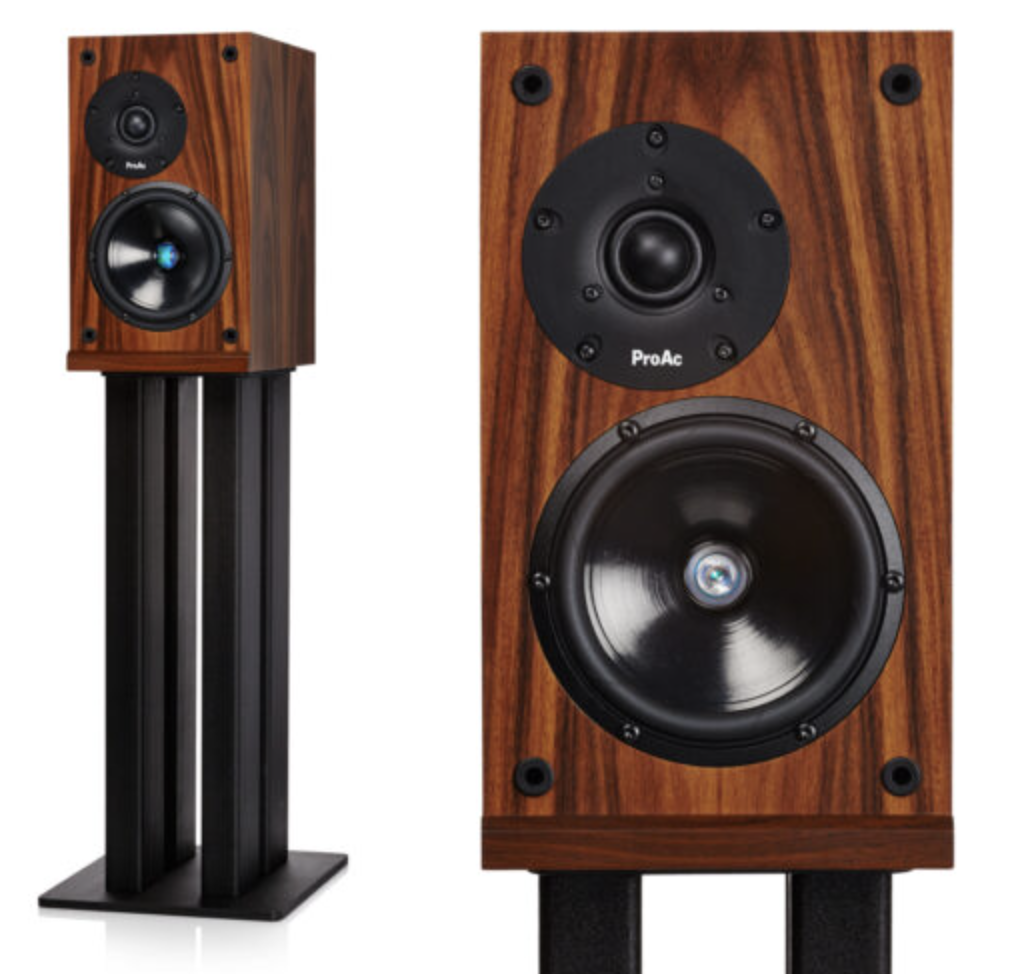
When asked, a majority of people will vote the loudspeakers as the most important part of a sound system. Although we may not necessarily agree, in a lot of ways this makes sense, because loudspeakers impart the most “colour” into the sound of a music system, being the most “characterful”, both in terms of their sound and looks.
Speakers’ character can take the form of cabinet resonances, driver distortion, port resonances, phase problems and, the one most people don’t consider (at first) to be part of your system sound – the elephant in the room – the sound characteristics of the room itself!
Positioning your speakers has such an influence on the sound of your system that one might consider their interaction with the room acoustics as important as the speaker itself. This also explains why customers should listen to loudspeakers in their home environment, if at all possible, before purchasing. We’d highly recommend narrowing down your choice of speaker options by auditioning some at your local Audio T store before a home demo to verify your choice as the best option.
Recommended stand mount speakers - at Budget, Mid-priced and High-end might be:
Loudspeakers: Acoustic Energy AE100Mk2, Proac DB1’s, Dynaudio Contour 20BE’s
Cables... Speaker cable and interconnects.
Some folks consider the cabling of your music system to be the most important part of the chain. There is no denying that cables allow components to connect to each other, and their electrical capacitance, inductance, impedance and resistance all influence how well they communicate the musical signal.
A major concept to get to grips with in understanding cables is that they can be both transmitters and receivers of a signal (aerials). Generally we’ll want one or the other and not both at the same time. The construction materials – whether copper, silver or a mixture of both – can affect transmission speeds, electrical characteristics and price.
So, is that it?
You may think that is it as far as system set-up goes... well, not quite. There are a number of linked factors to consider, some hinted at in the sections on source, amplifier and speakers, so we’ll mention these in the following commentary.
Your listening room...
Considering your listening room as an influence on the sound should be more obvious than it appears at first.
Imagine for a minute you were to set up your stereo system in your local church and ask yourself how that would sound compared to your listening space at home? We have spoken to many customers who were very happy with the sound of their systems until they decided to move home, and are now finding that it doesn’t sound as good.
What’s changed? Only the construction, dimensions and sound properties of their room and the positioning of their system. No blame can be attached to the components that form the trio – source, amp and speakers – as they haven’t changed!
The science behind room acoustics and how it interacts with your system is too complex to discuss in detail here. However, there are things one can do to mitigate room problems: getting your system balance right, careful positioning and judicious use of sound absorption through carpets, sofas and curtains to avoid excess reflections.
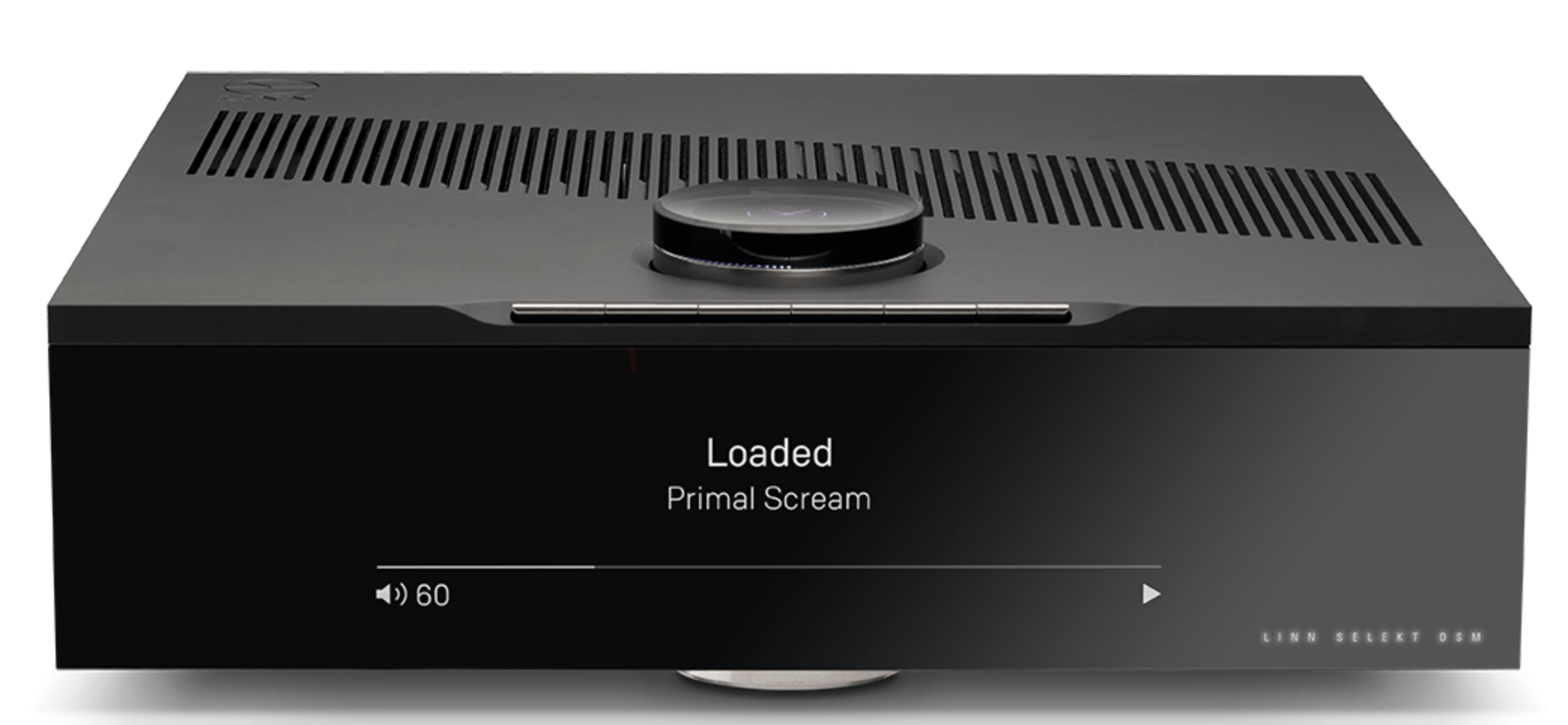
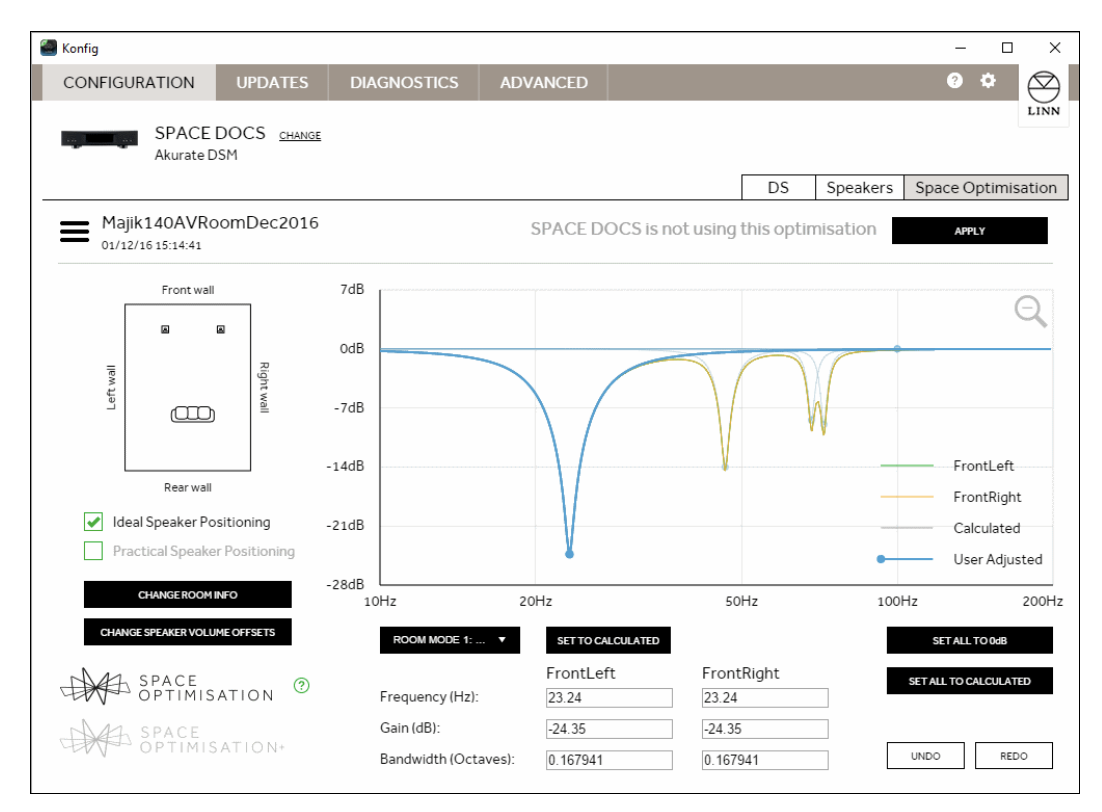
Some companies, like Linn, have complex software sound management systems via DSP to counteract unwanted room nodes. Linn’s Space Optimisation software, incorporated in their Linn Majik DSM and Linn Selekt DSM systems, uses data about your listening space and room dimensions to adjust the sound output to give a more linear frequency response. Linn Space Optimisation is convenient and works well, but we’d always recommend trying to work au naturel if possible.
The original recording...
Arguably, the source of sources is the original recording, the quality of which varies hugely based on the recording format, equipment used to make the recording, the age of the recording and who the recording/mastering engineer was.
One of the major issues with streaming services is the inability to select which “vintage” of a recording to play. Apart from the latest music releases, we tend to be limited to the most recent remasters of older music and their associated hi-res files. This can give the illusion that you’re being delivered the “best version” of that album, and that is not always the case.
The problem is that without the choice of an alternative version to listen to, you have no reference point – unless you own a copy on CD or download.
Vinyl sources are different again, with mastering and pressing quality, the disc material and colour of vinyl having an influence on the sound. Disc cleanliness is also important to reduce surface/groove noise – the DeGritter Mk2 ultrasonic record cleaning machine is exceptional at improving the quality of your “source”.
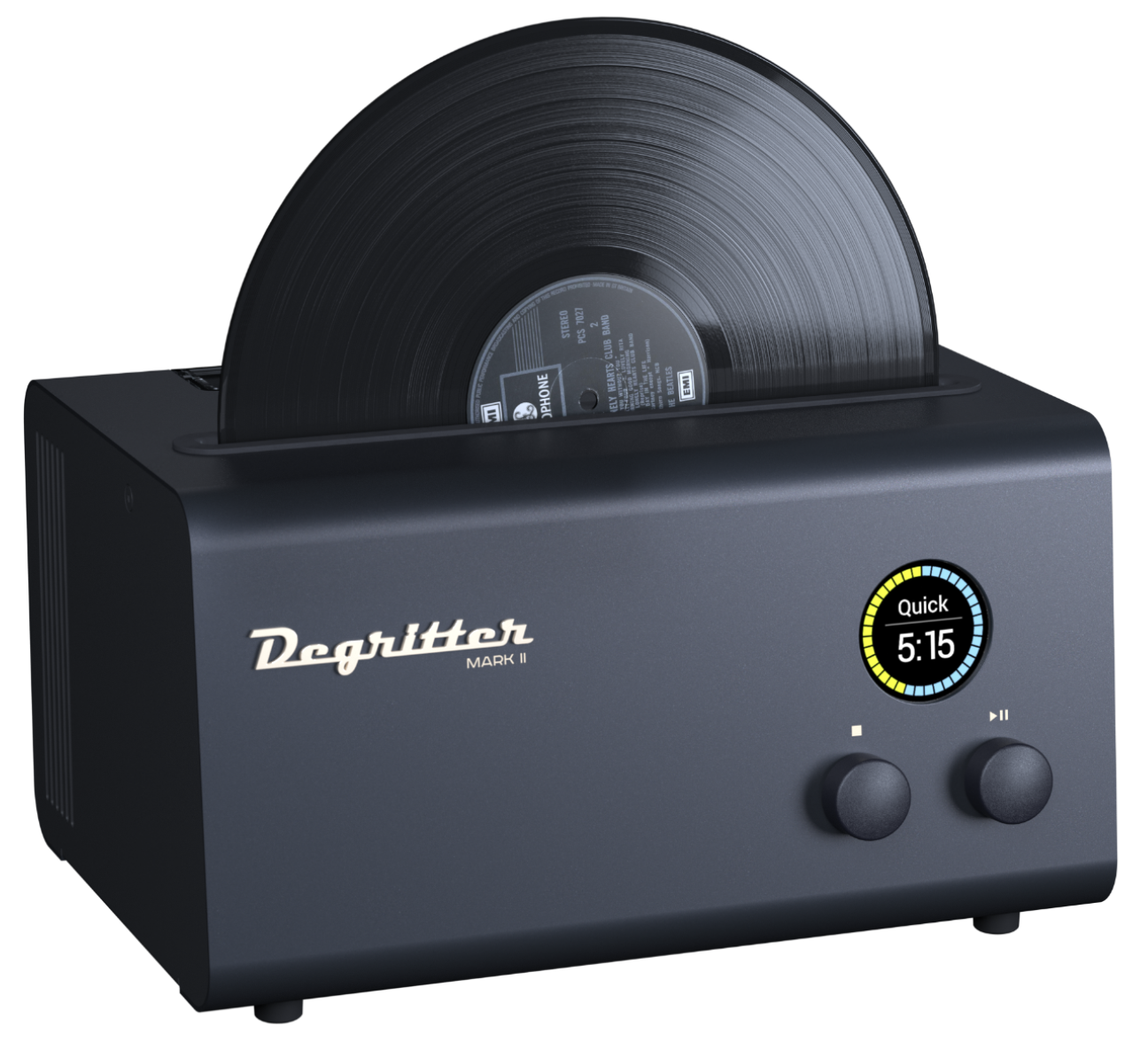
Degritter mk2
System synergy...
Another factor contributing to the sound of your system doesn’t focus on any one particular area but looks at the idea of system synergy – the idea that any point in the chain affects what comes before or after it, what connects it and the overall balance.
It is this last factor where a dealer like Audio T can help you make better decisions on your road to Nirvana, because just selecting recommended products online and putting them together is no guarantee that they will work together. Unfortunately, we often come across customers who have gone down this path to save money and find their ideal sound system, only to achieve neither goal.
Perhaps being the “source” of good advice is the most important component in the chain after all.
As always, the proof of the pudding is in the eating – so get in touch to book a demonstration and hear for yourself.
Thanks for reading.
Ade, John and Paul - Audio T Brighton
If you’ve enjoyed this, why not go ahead and read some more of our other blogs, and be sure to follow us on our social media channels below…
Linn can be found at the following Audio T stores
Rega can be found at the following Audio T stores -
Naim can be found at the following Audio T stores…
Acoustic Energy loudspeakers are available from the following branches of Audio T:
DeGritter can be found at the following Audio T stores…
Dynaudio can be found at the following Audio T stores -
ProAc can be found at the following Audio-T stores


