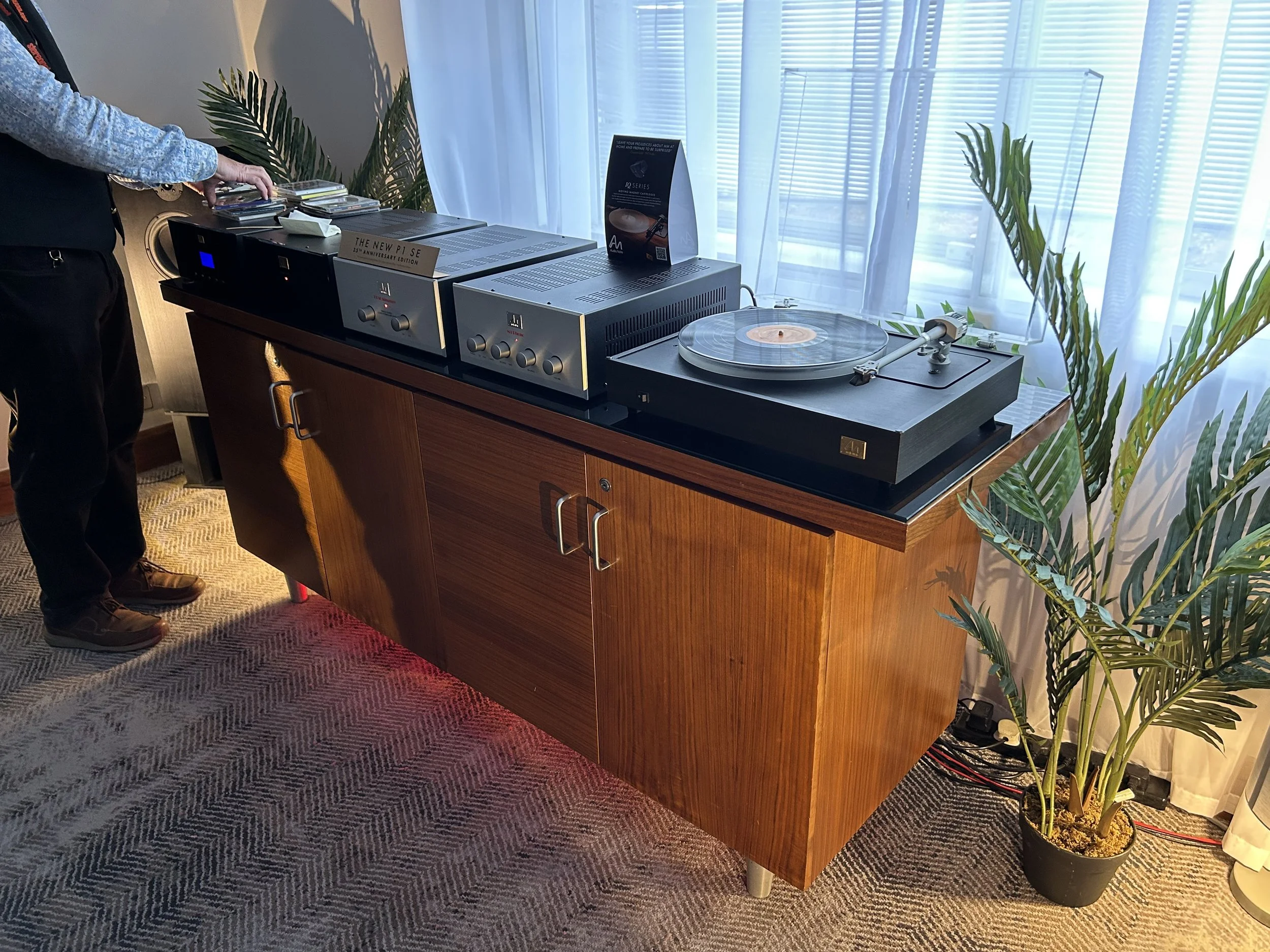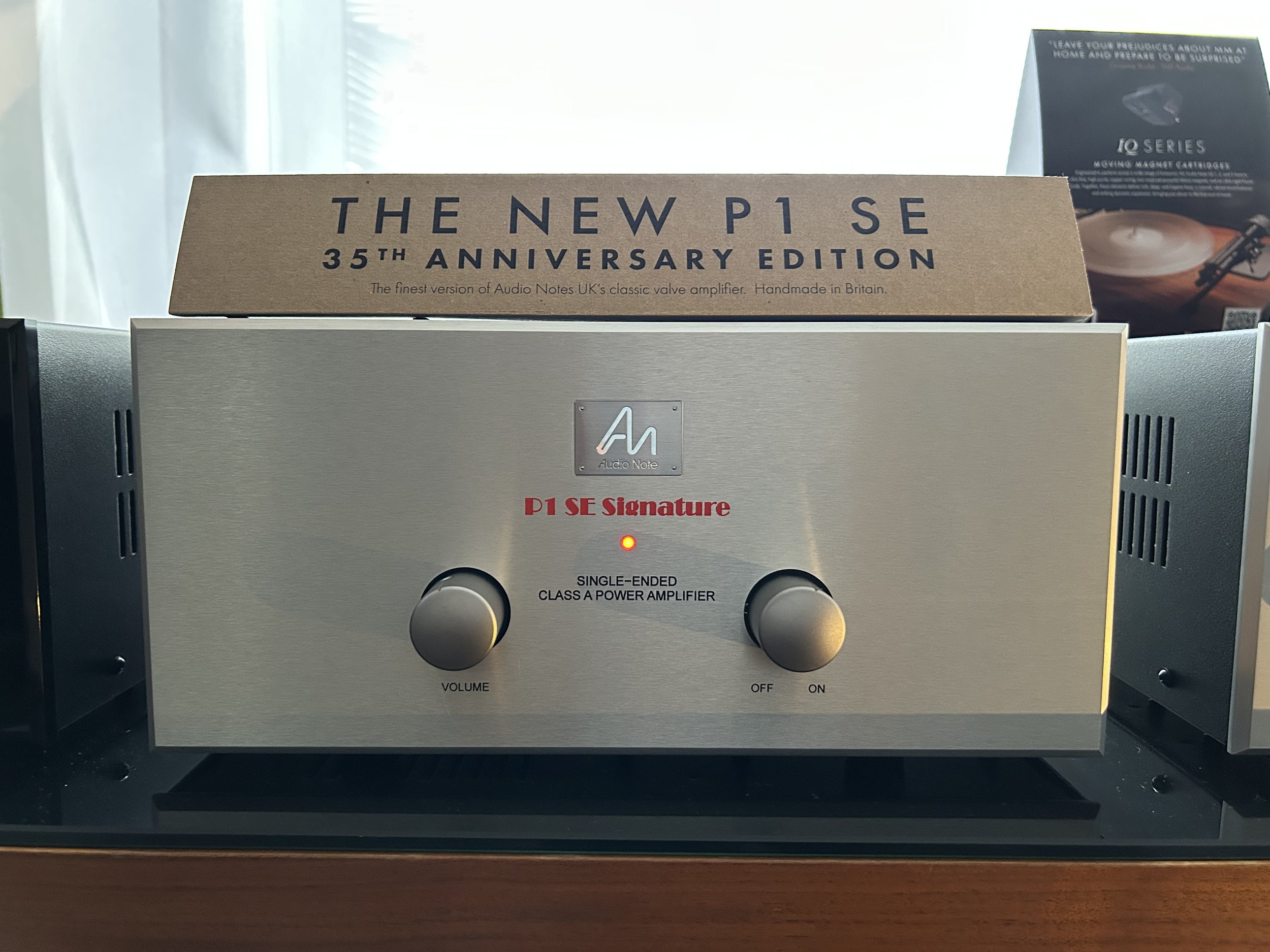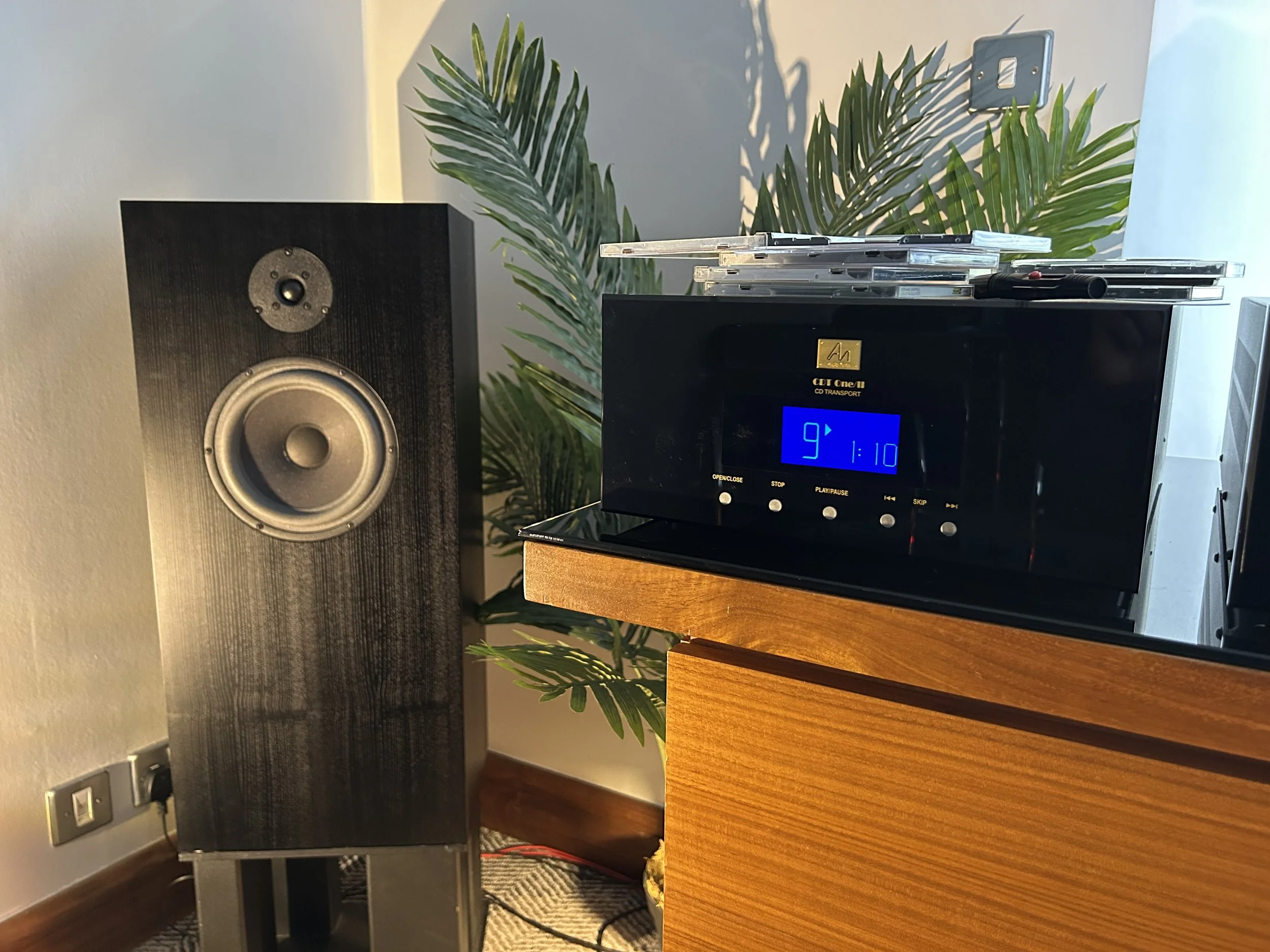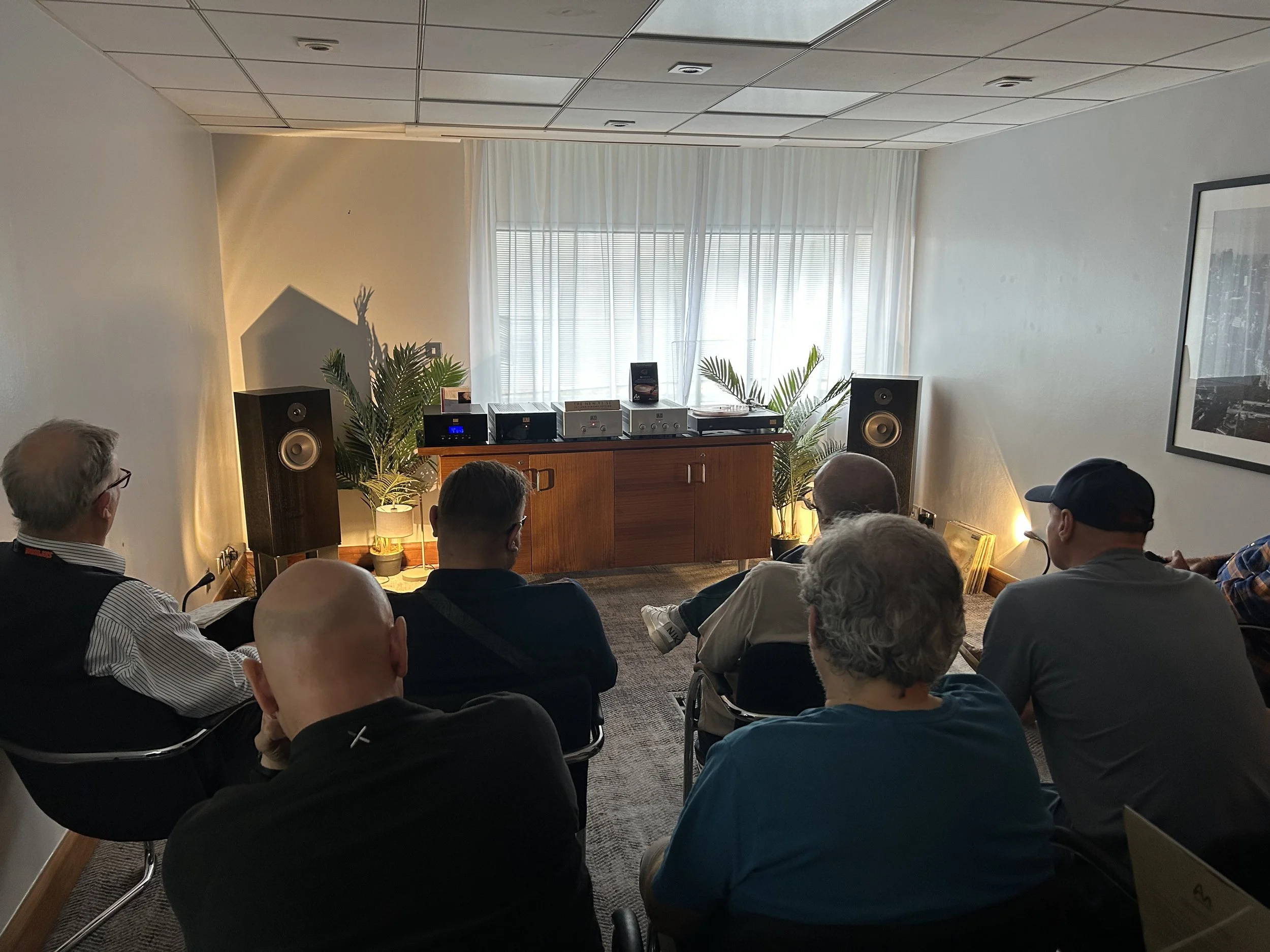
How to Choose a Turntable: What You Need to Know Before You Buy
/Buying a turntable ought to be simple. You choose one you like, put a record on and enjoy the music.
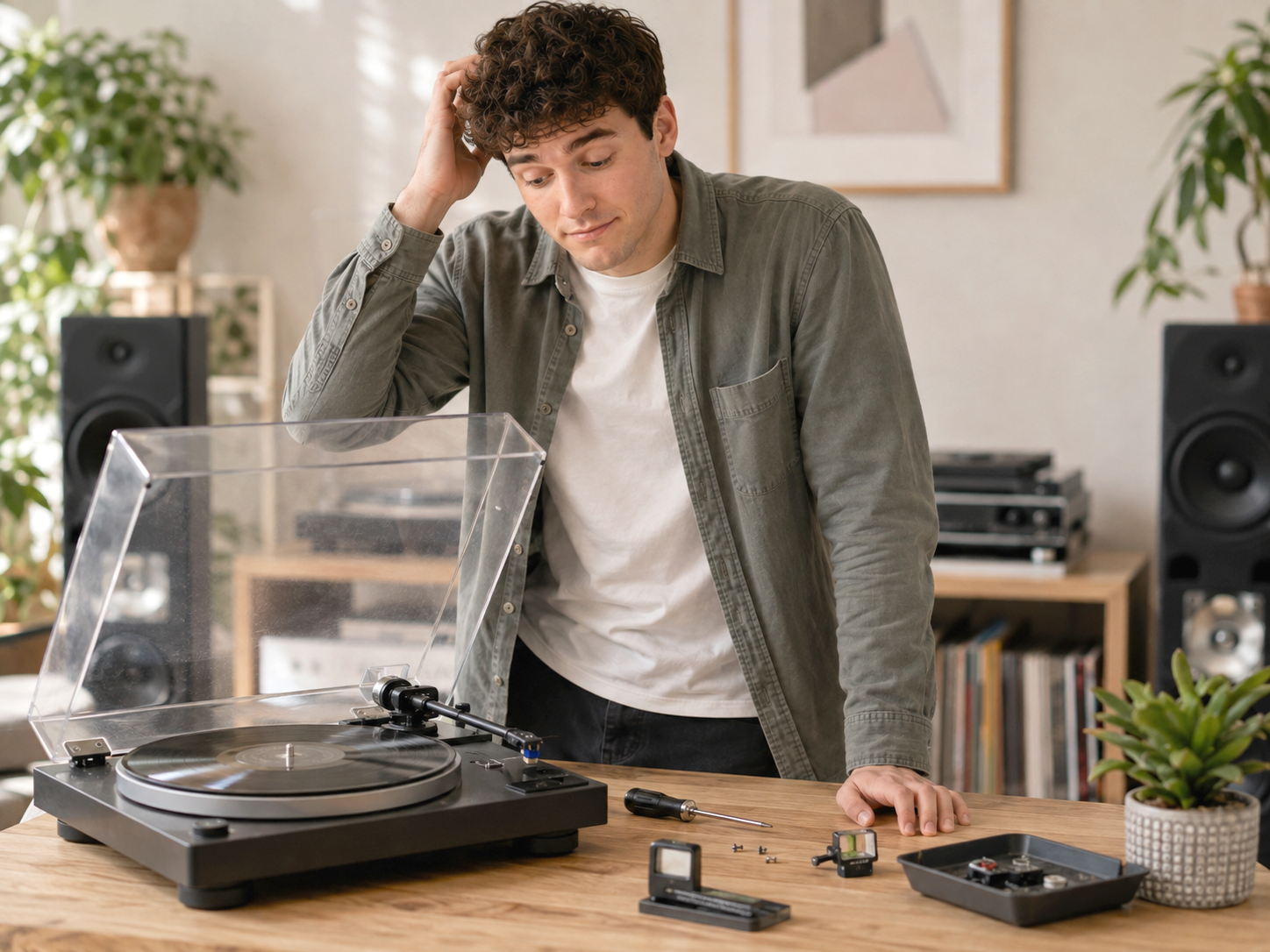
Then you start looking properly…
Belt drive or direct drive? Manual or automatic? Moving magnet or moving coil? Do you need a phono stage? Does it come with a cartridge? And why can two turntables that appear to do exactly the same job have wildly different price tags?
Before long, something that should be one of the most enjoyable ways of listening to music can start feeling unnecessarily complicated.
It really doesn't need to be.
I've been buying and playing records for a large portion of my life, and one thing I've learned along the way is that choosing a turntable isn't about ticking the most boxes or having an expert-level of understanding for every technical term. It's about finding something that works with your system, suits the way you listen and, most importantly, makes you want to keep pulling records off the shelf.
So let's forget the jargon for a moment and start with the things that actually matter.
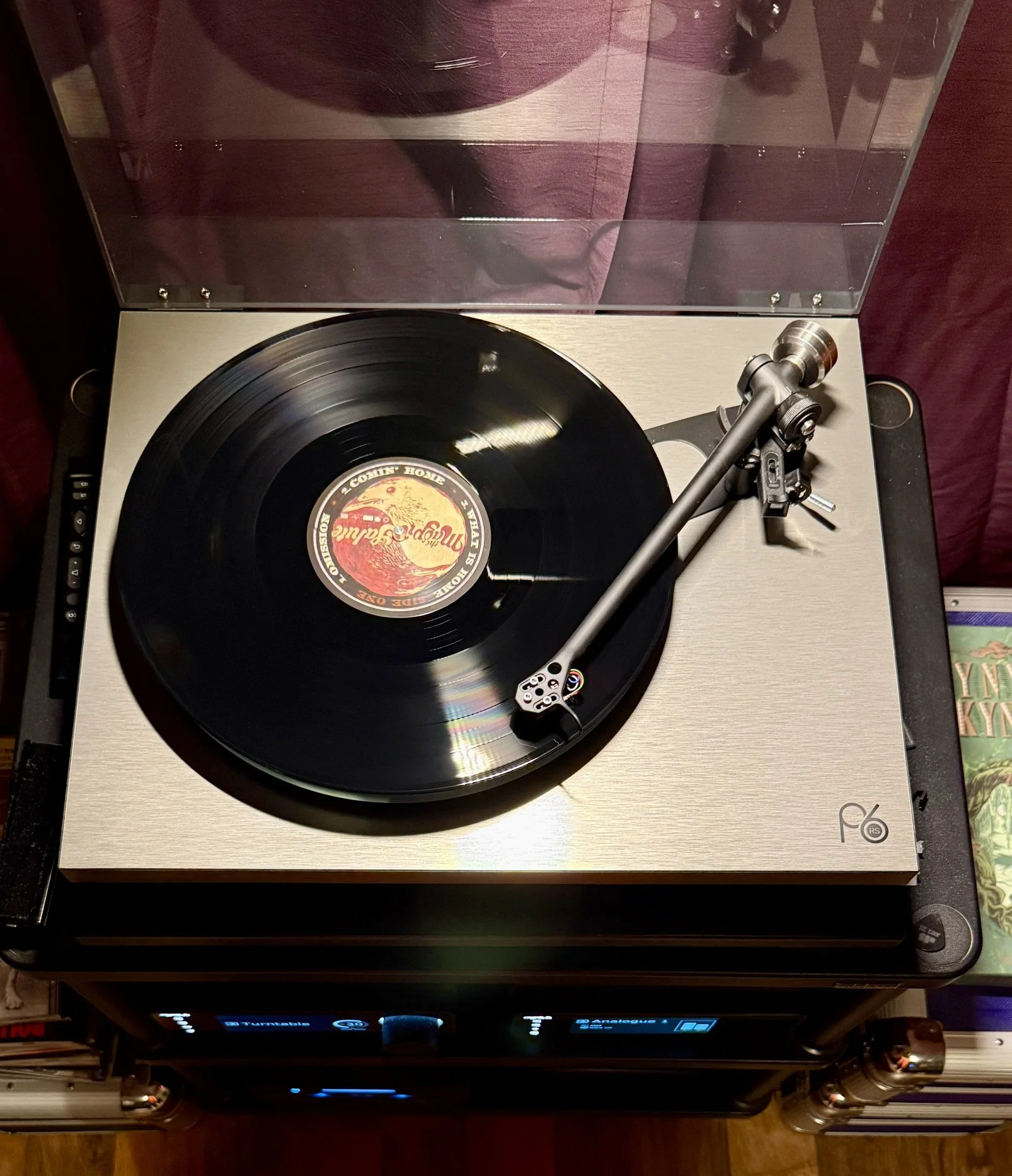
First rule of vinyl playback - get your fingers off the playing surface!!!
The quick answer: how do you choose the right turntable?
If you're short on time, start with these questions:
What will the turntable be connected to?
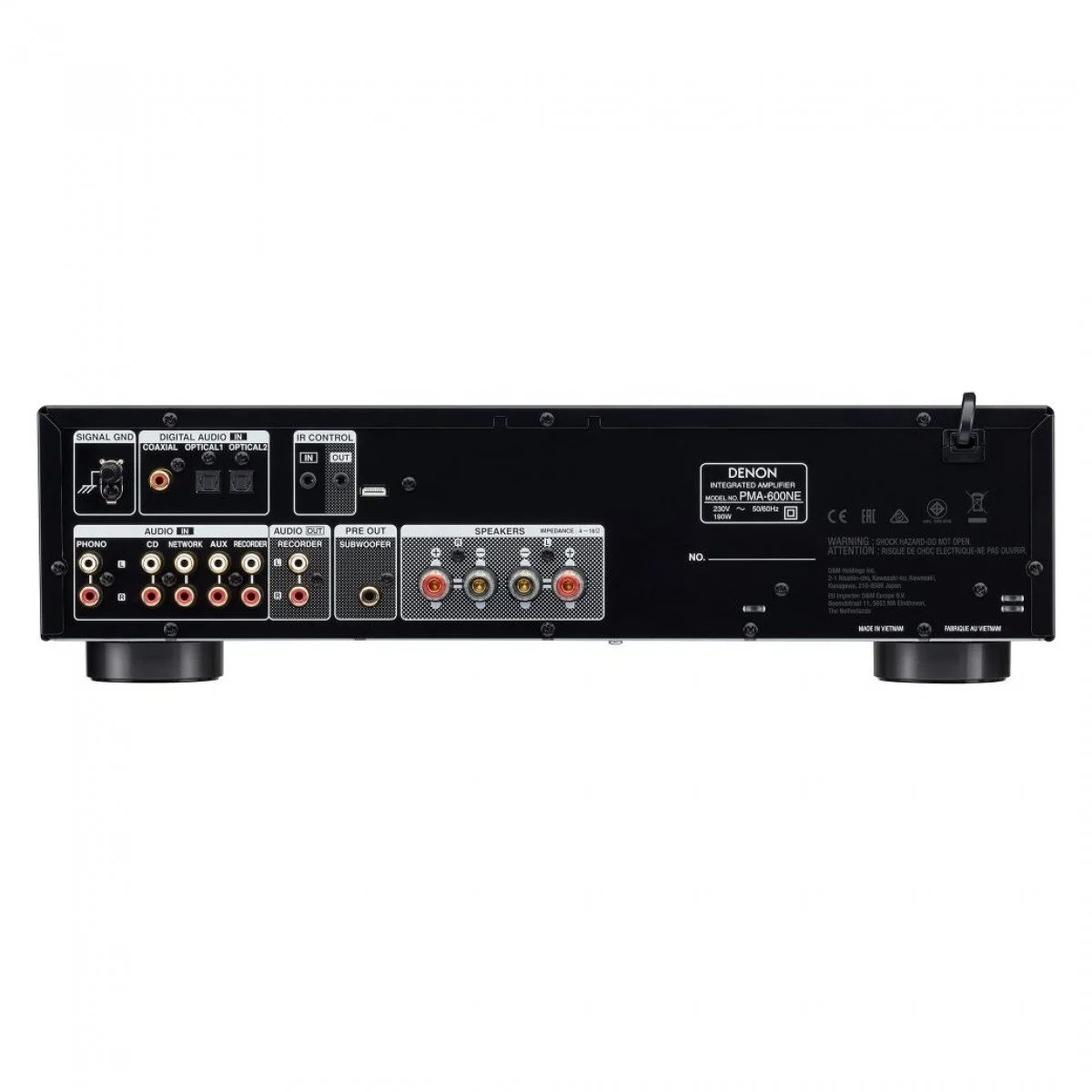
Does your amplifier already have a phono stage?
Do you want manual or automatic operation?
Is a cartridge included?
Do you want something simple, or something you can upgrade over time?
Where will the turntable sit?
What records do you actually own?
And perhaps most importantly, how much do you want to spend?
Answer those and you've already narrowed things down considerably. The rest is about finding the turntable that makes you want to keep putting records on and, ultimately, that's the bit that matters.
Start with your existing Hi-Fi system
One of the easiest mistakes to make is looking at a turntable as an isolated purchase. It isn't.
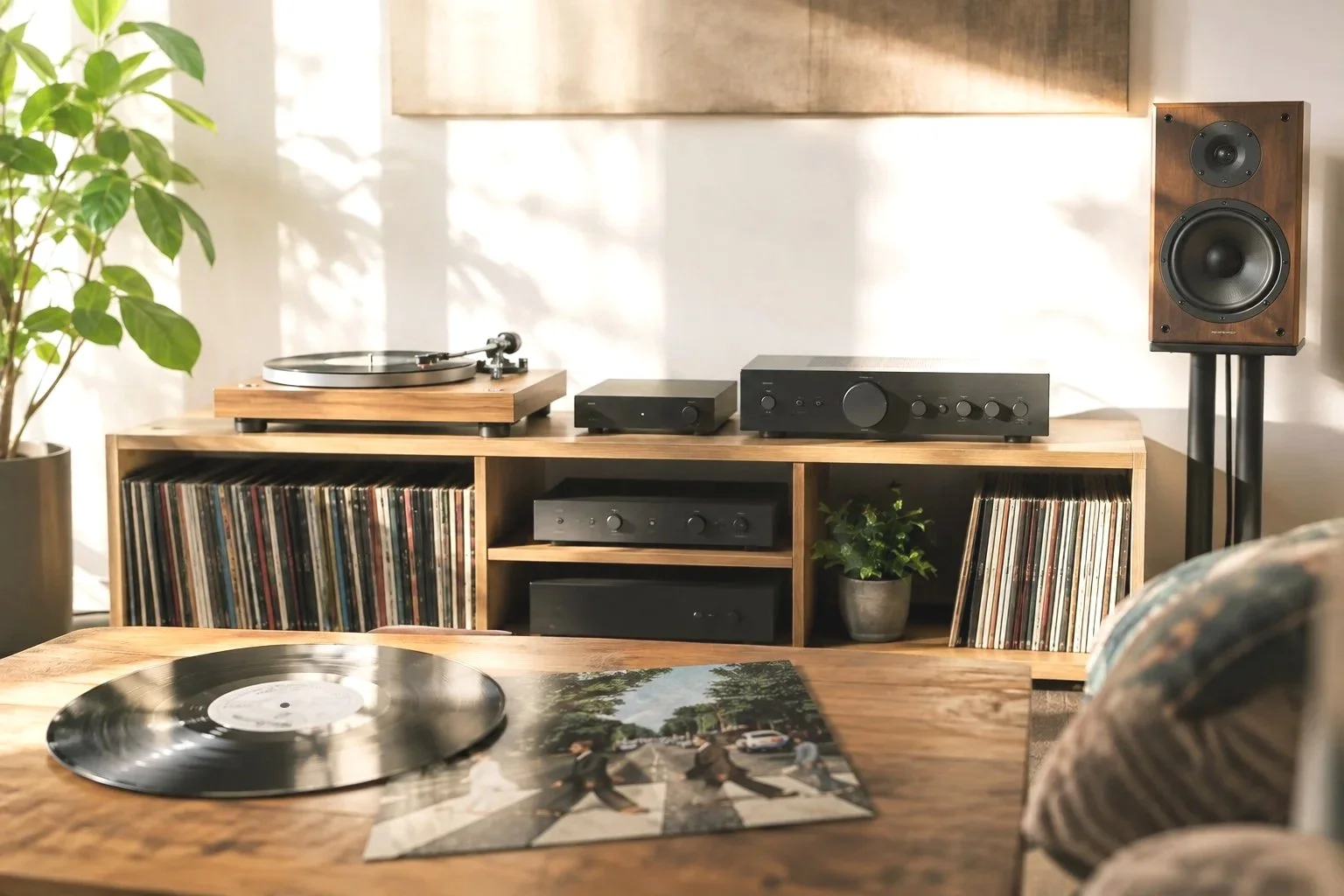
The vinyl replay chain looks something like this:
Record → Stylus and Cartridge → Tonearm → Turntable → Phono Stage → Amplifier → Speakers
Everything affects everything else, but that doesn't mean you need to spend exactly 23.7% of your Hi-Fi budget on a turntable because somebody on a forum said so. There are no magic percentages.
If vinyl is your main source and you've spent the last 30 years amassing several thousand records, it would be perfectly reasonable to put a sizeable chunk of your system budget into playing them properly. If you own 40 LPs but stream music every evening, you might make a different decision.
Personally, my record collection has been growing for longer than I'd care to admit, so vinyl is important to me. But that's my system. Your system should reflect the way you listen.
Do I need a phono stage?
This is probably one of the most common questions we get from people buying a turntable, and it's a sensible one because turntables are slightly awkward little things.
The signal coming from a cartridge is extremely small. Much smaller than the signal coming from a CD player, streamer or DAC. Before your amplifier can do much with it, that signal needs to be amplified and equalised by something called a phono stage.
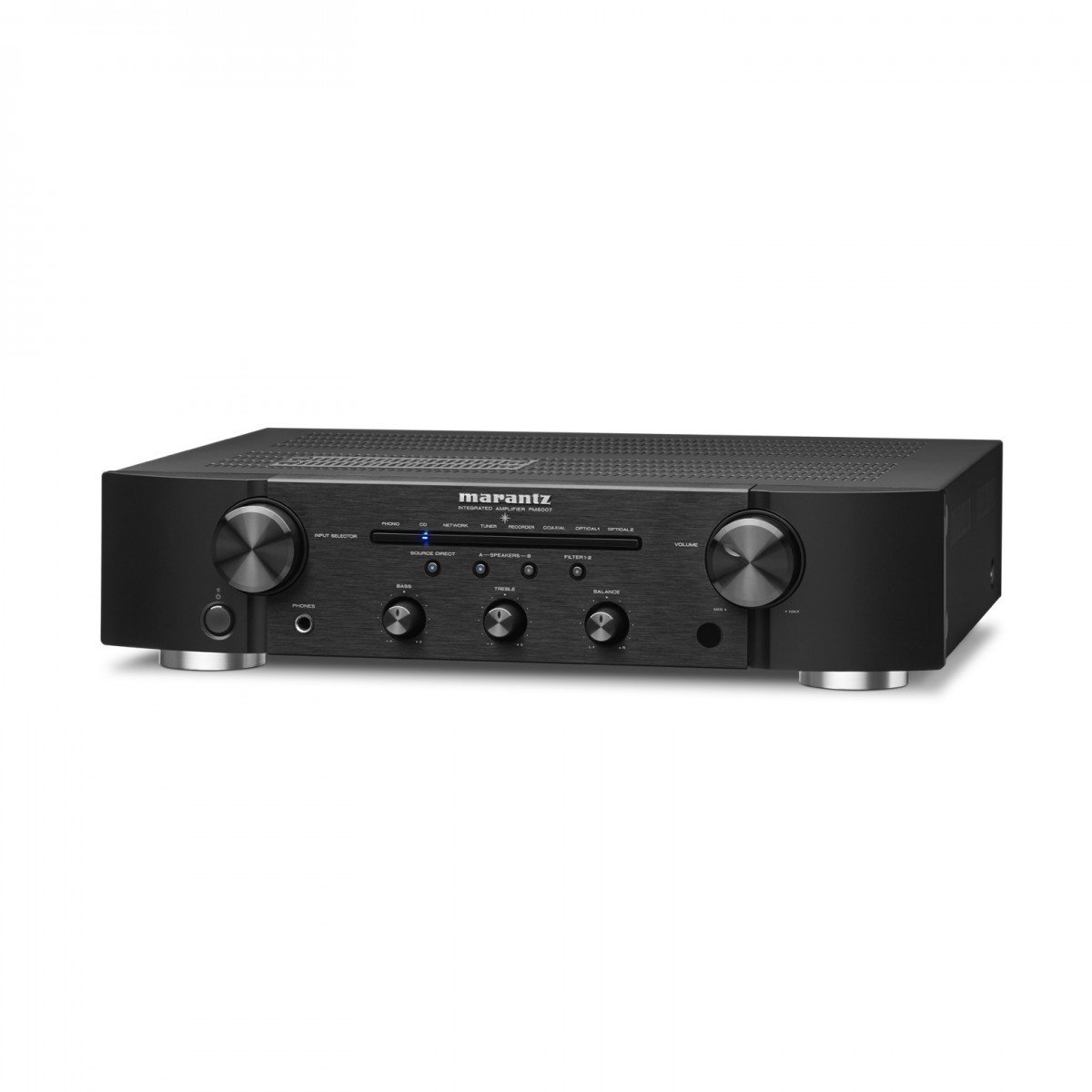
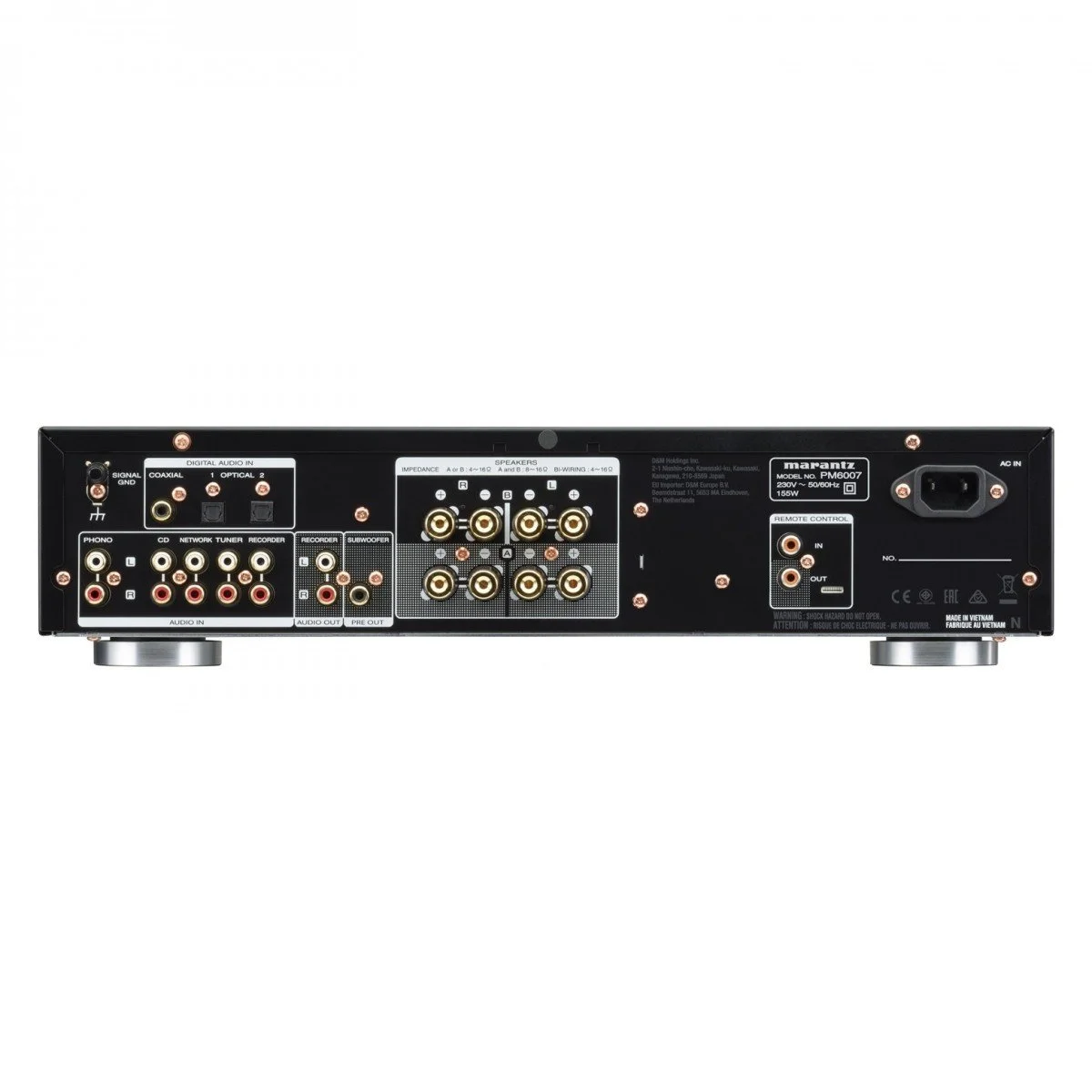
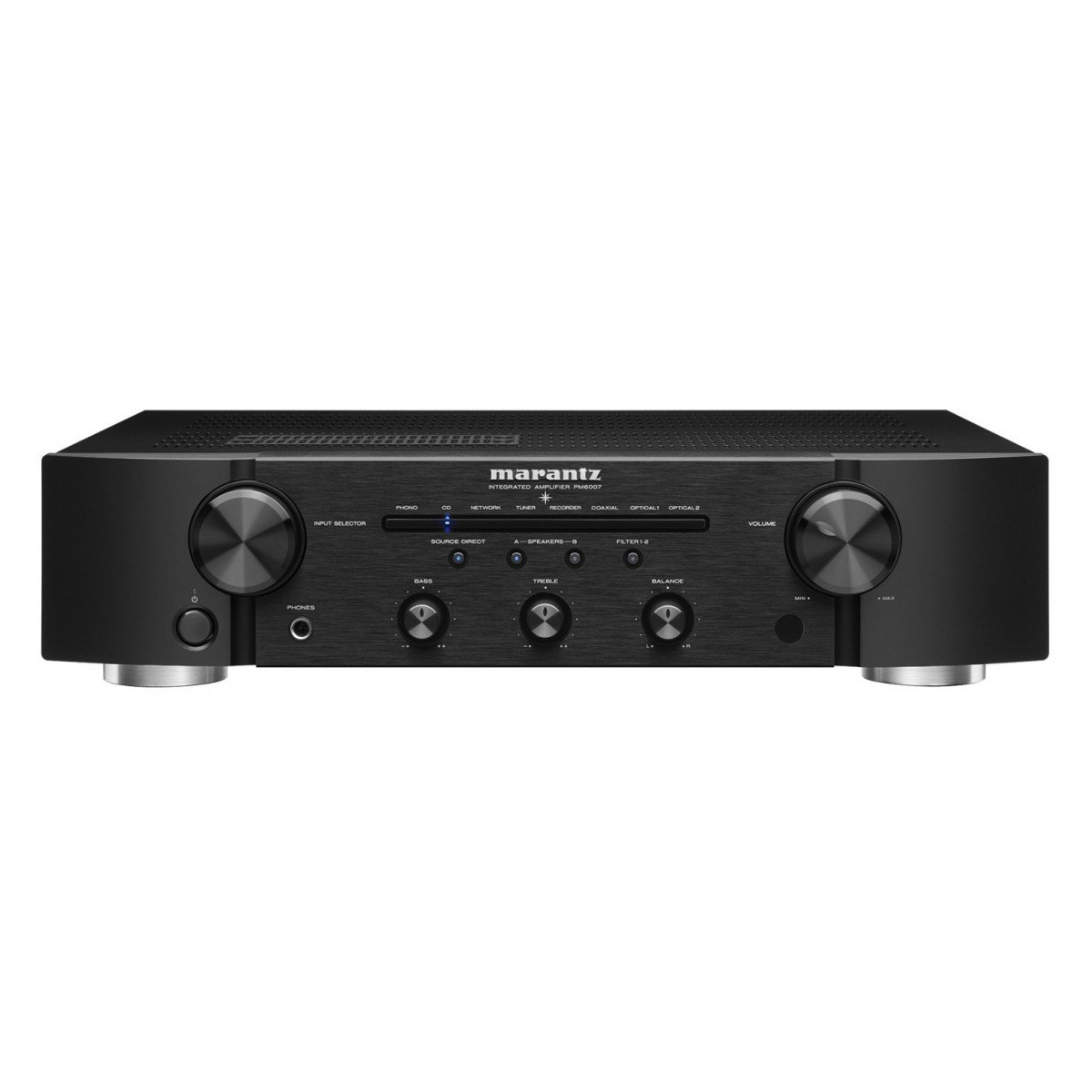
You may already have one. If your amplifier has an input labelled Phono, there's a good chance it contains a phono stage. You'll just need to establish what type of cartridge it supports, usually Moving Magnet, Moving Coil or sometimes both.
Some turntables have a phono stage built in too, meaning they can connect directly to a normal AUX, Line or analogue input on an amplifier or powered speaker system.
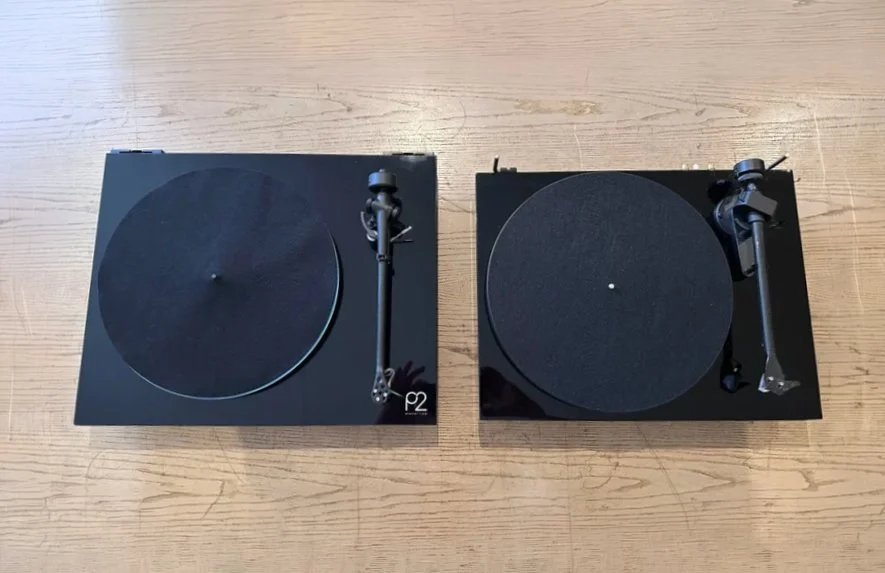
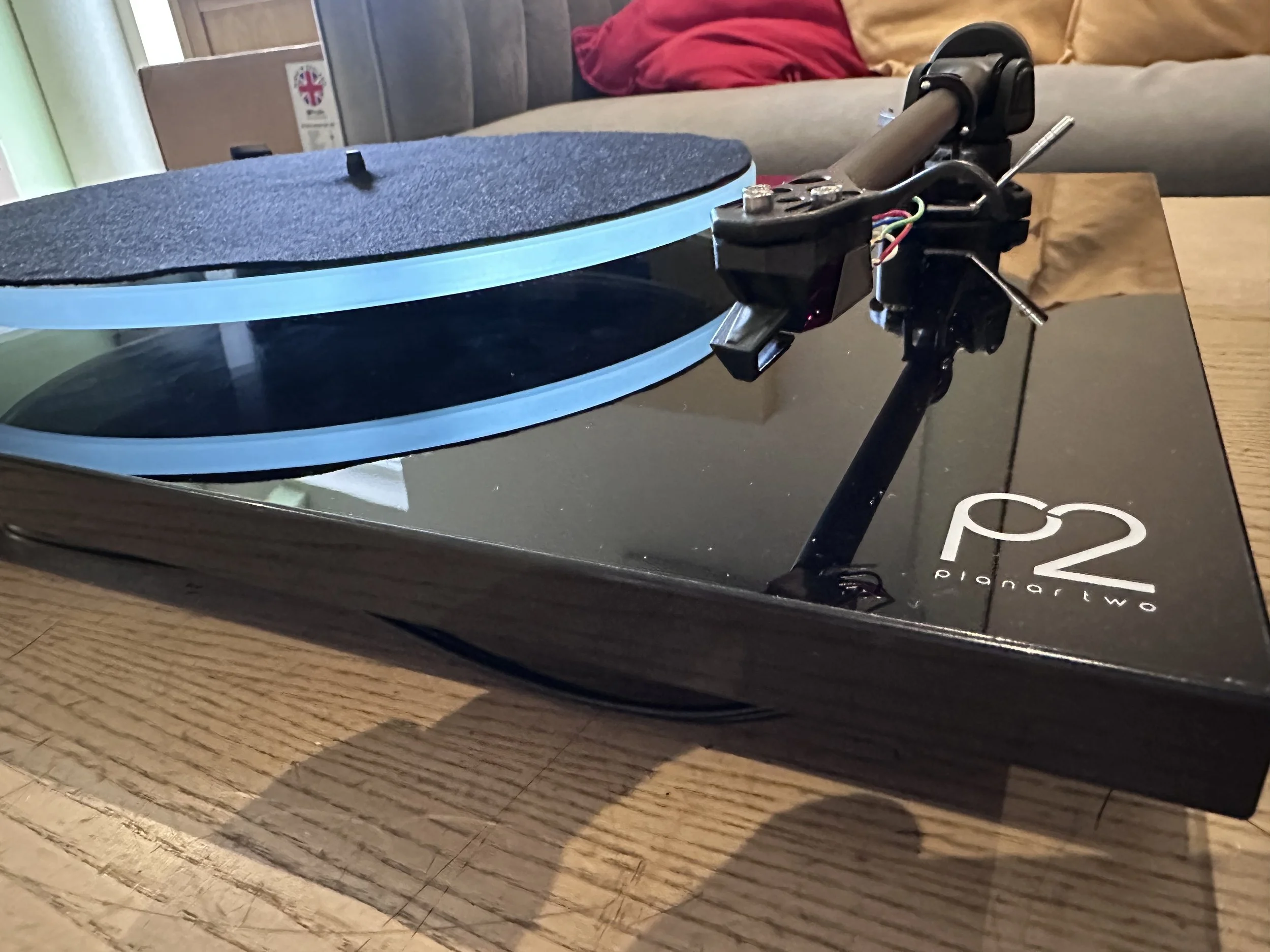
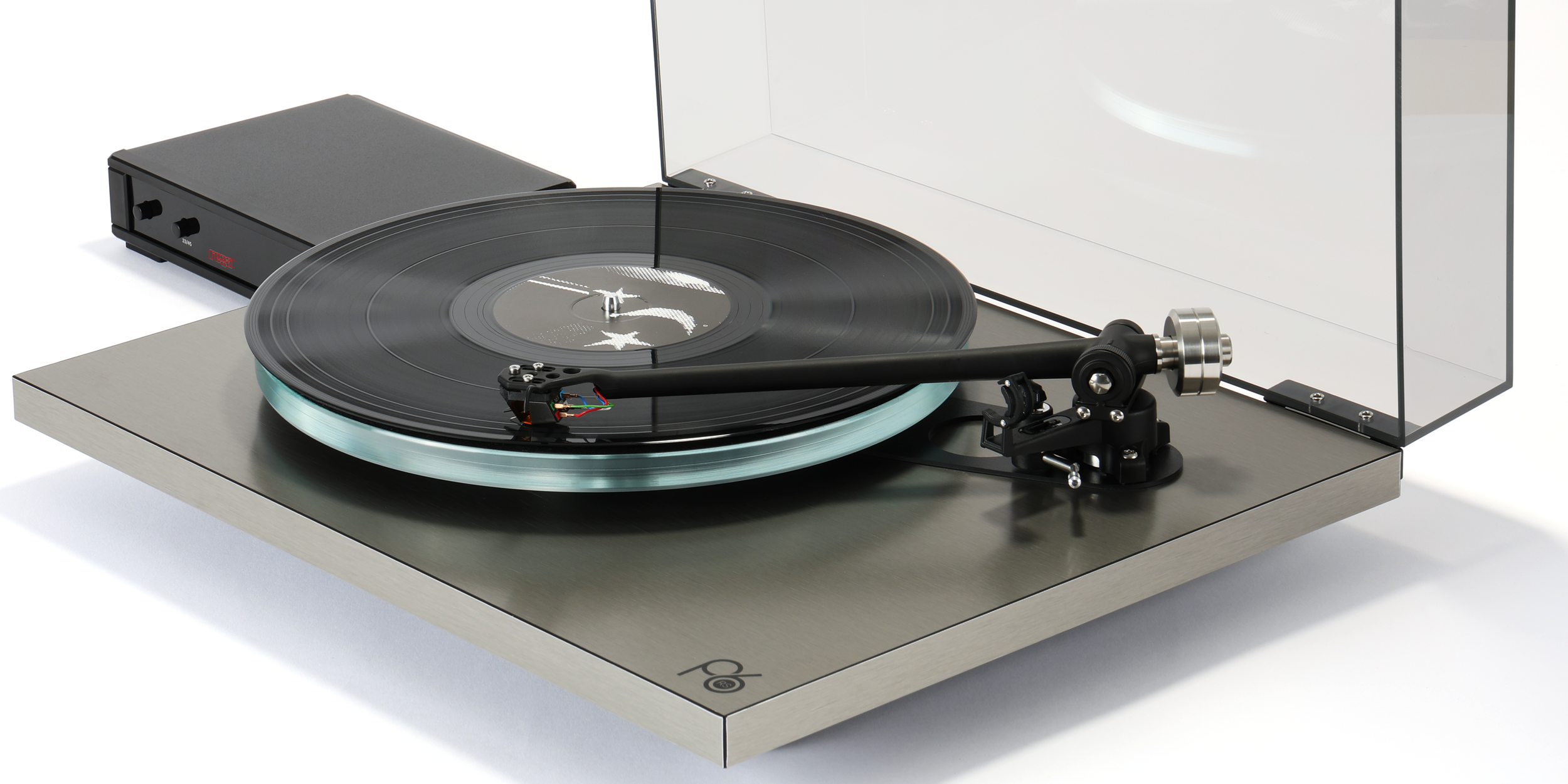
A good real-world example is the difference between the Rega Planar 1 and Rega Planar 1 Plus. Both are designed to make getting into good-quality vinyl replay relatively straightforward, but the standard Planar 1 needs a suitable Moving Magnet phono stage somewhere in the system, whereas the Planar 1 Plus has one built in.
If your amplifier doesn't have a Phono input, that little word Plus suddenly becomes rather important.
And then there are separate phono stages.
Yes, that's another box… Welcome to Hi-Fi!
A separate phono stage gives you much more freedom to choose something that suits your cartridge and upgrade it independently later. So the broad rule is:
Built-in phono stage = simpler.
Separate phono stage = more flexibility.
Neither is automatically better. The important thing is knowing what you actually need before you get your shiny new turntable home and realise you've got nowhere to plug it in.
Belt drive or direct drive?
Ah yes. One of those age-old Hi-Fi debates.
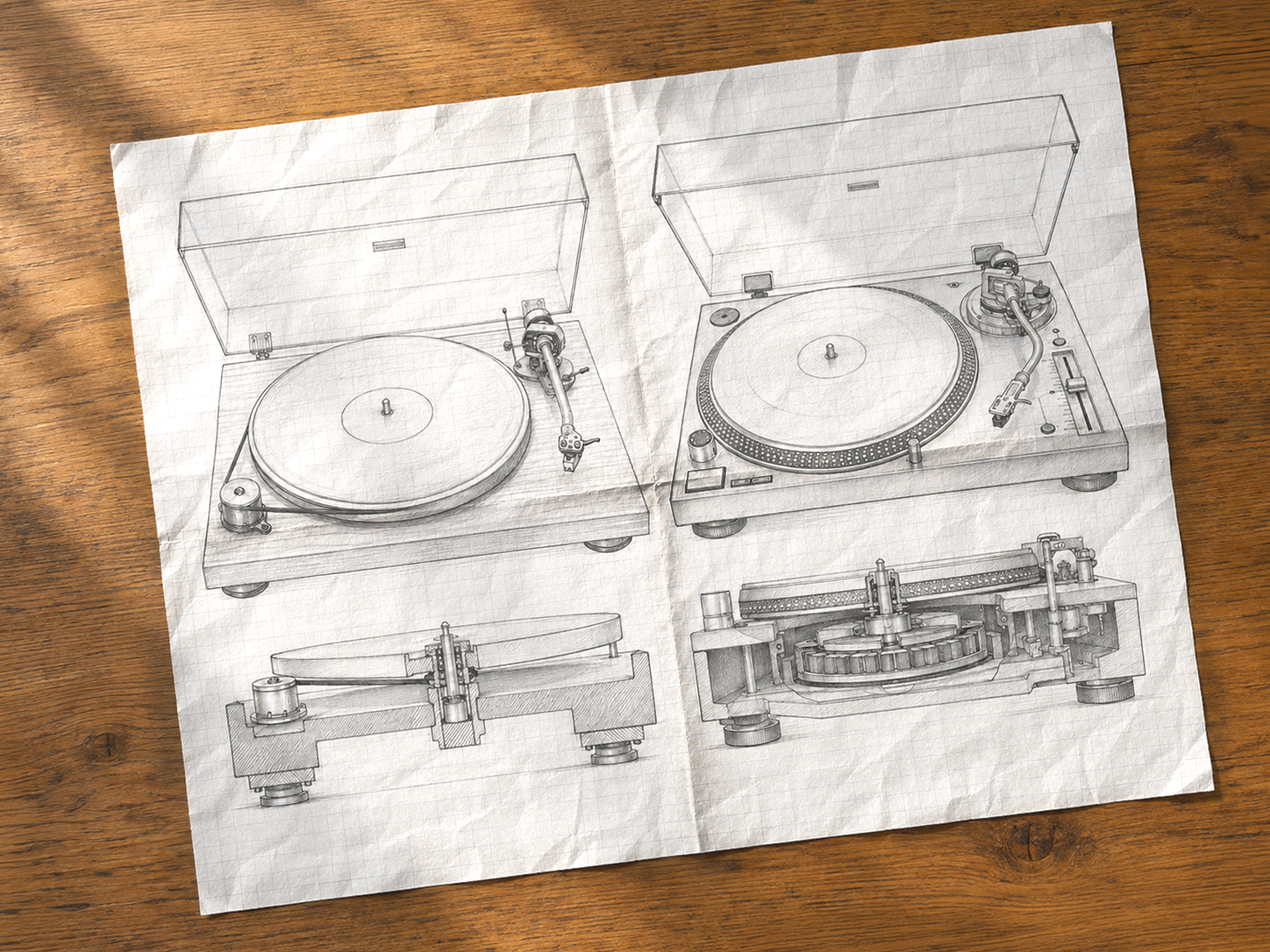
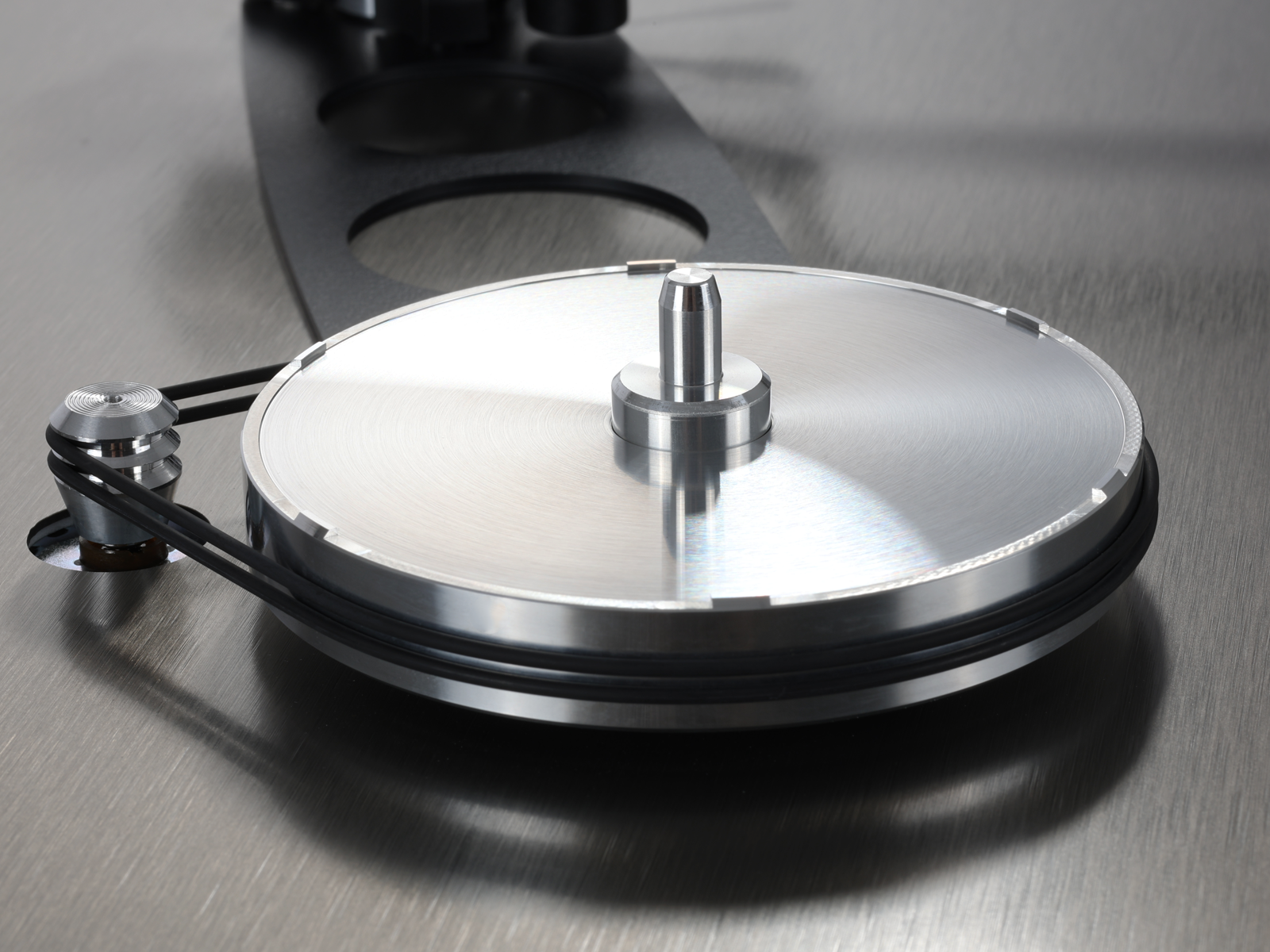
With a belt-drive turntable, the motor turns the platter via a belt. With direct drive, the motor drives the platter directly. Simple enough.
For decades, direct-drive turntables became closely associated with DJ use, while belt drive became the default choice for many specialist Hi-Fi manufacturers. That doesn't mean belt drive is inherently better.
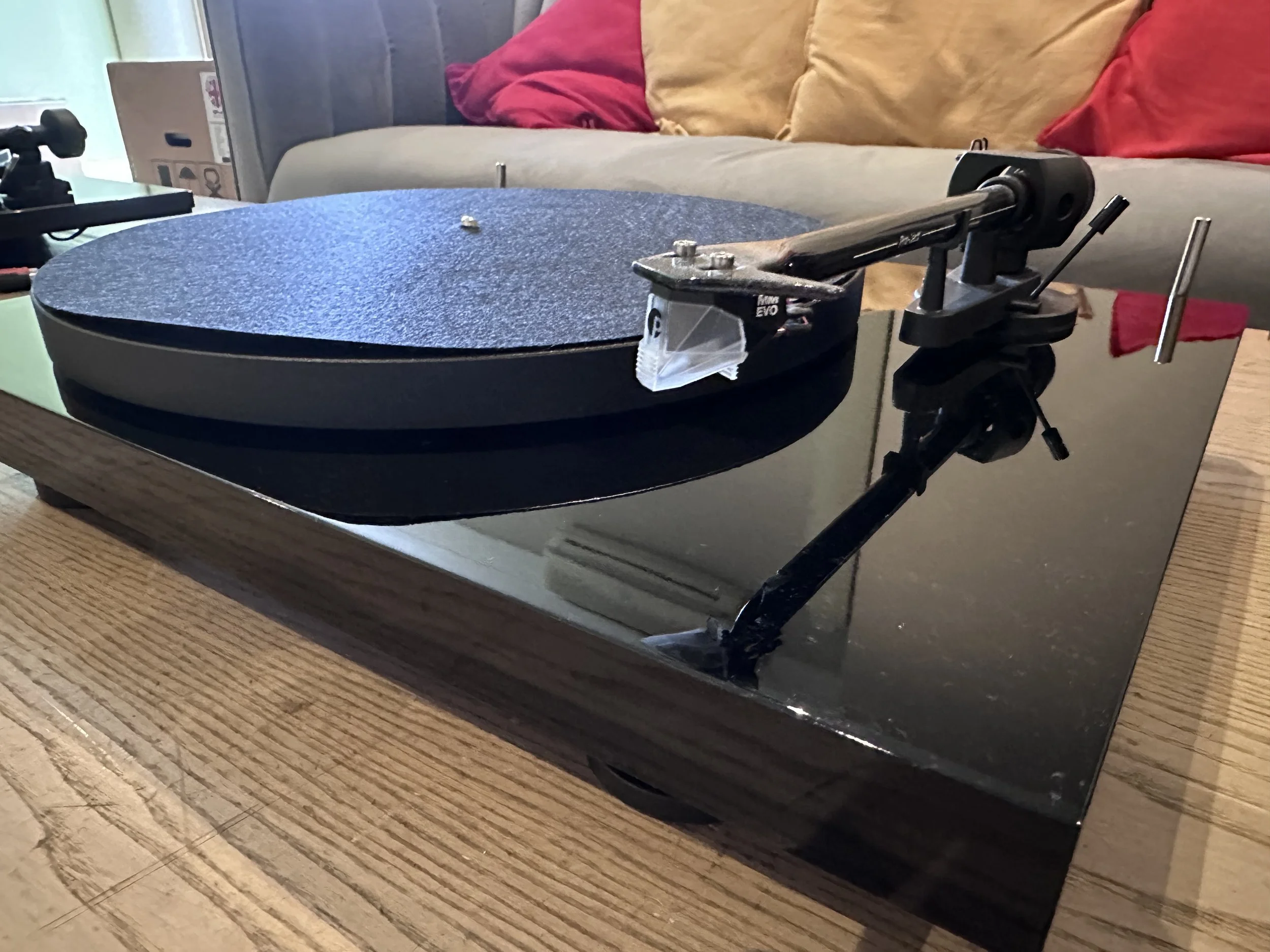
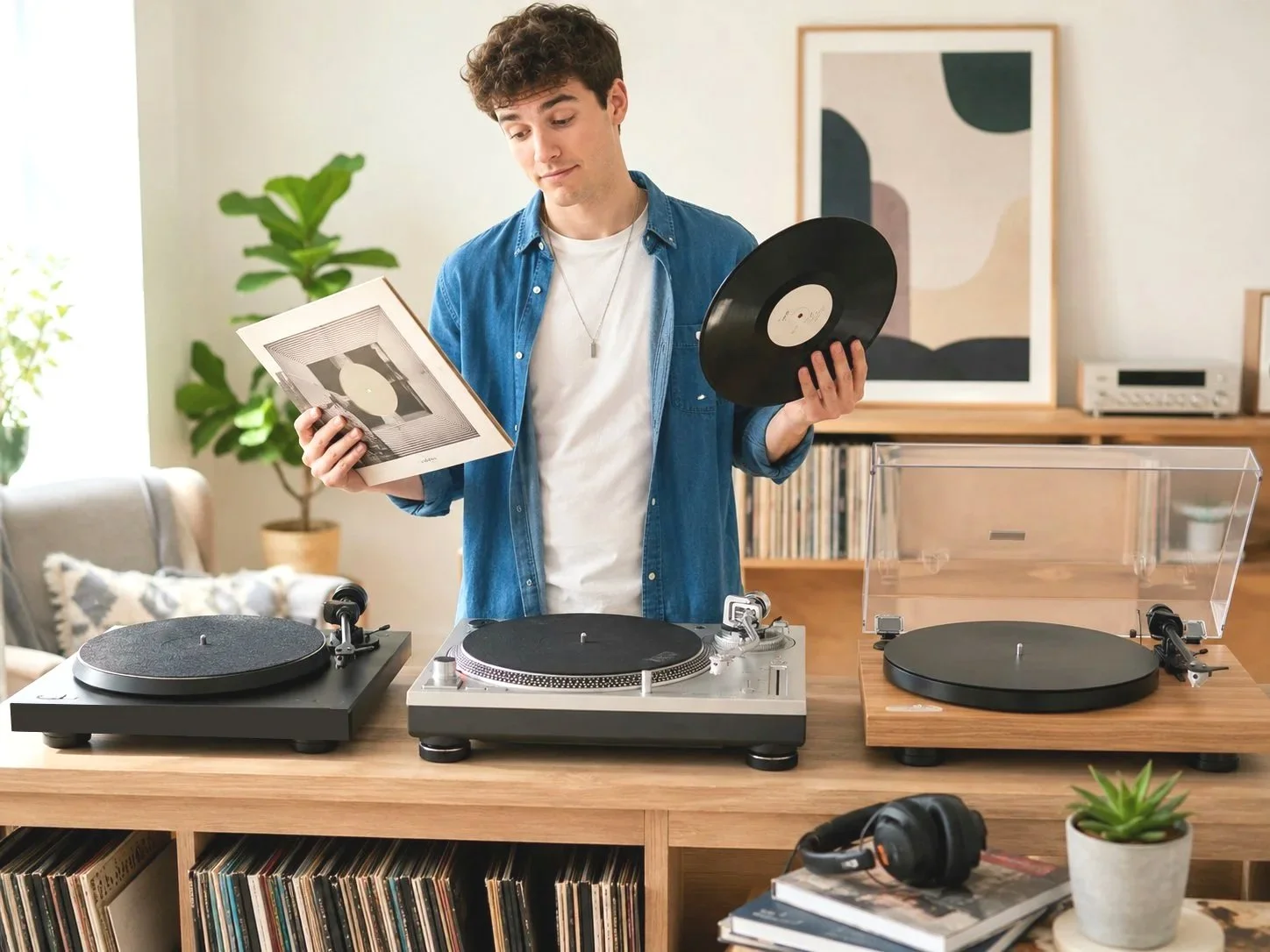
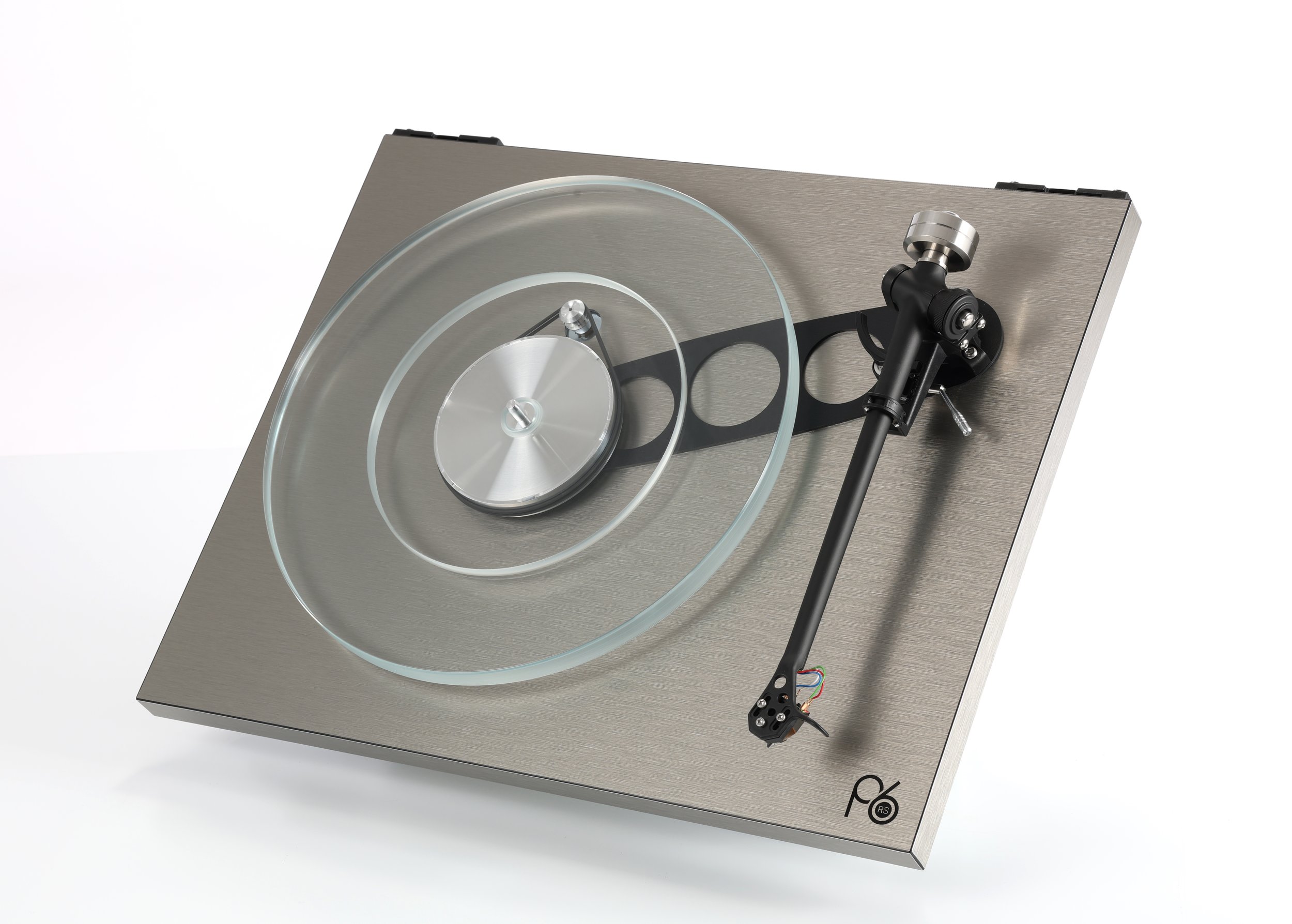
You can see both approaches in the turntables we stock at Audio T. Rega makes extensive use of belt drive, as does Pro-Ject with models such as the Debut EVO 2. At the other end of the argument, the Audio-Technica AT-LP120XUSB uses direct drive.
Belt drive or direct drive?
Modern direct-drive designs can provide superb speed stability, excellent torque and very high performance. Likewise, a well-engineered belt-drive turntable can isolate motor vibration extremely effectively and sound fantastic.
The important word in both examples is well-engineered.
I wouldn't choose a turntable simply because someone tells you belt drive is more "audiophile", nor would I choose direct drive solely because it gets up to speed half a second quicker. Look at the complete design: motor, bearing, platter, tonearm, cartridge, power supply, isolation and setup all matter.
Or better still, listen to the thing.
Manual or automatic?
This one is much easier because it's really about how you like to listen.
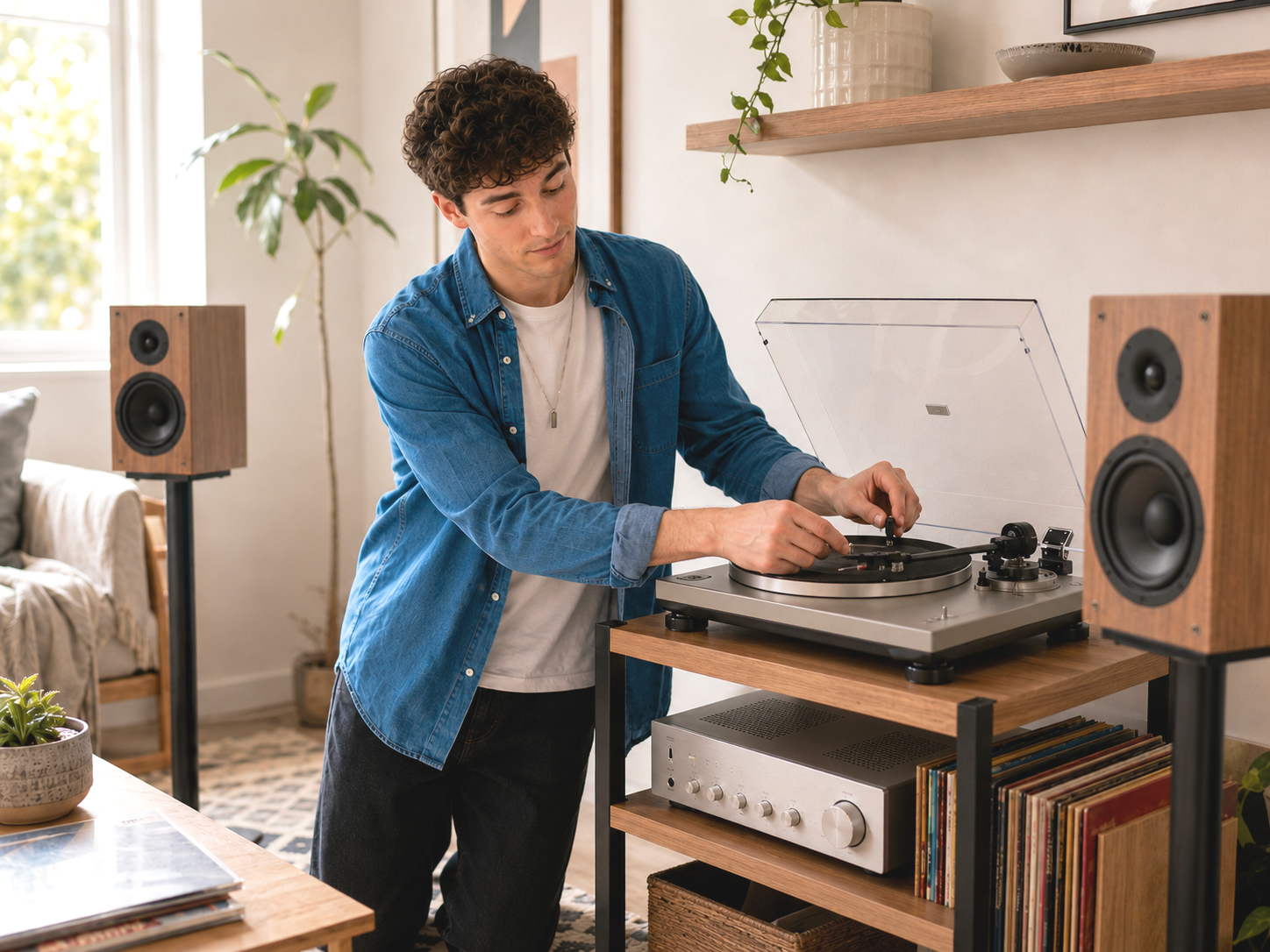
With a manual turntable, you generally switch it on, move the arm across the record and lower the stylus yourself. At the end, you lift it back up.
An automatic turntable can do some or all of that for you.
The Dual CS 329, for example, takes care of pretty much the whole process. Press Start and the tonearm moves into position and lowers itself onto the record, then returns at the end of the side and stops the motor.
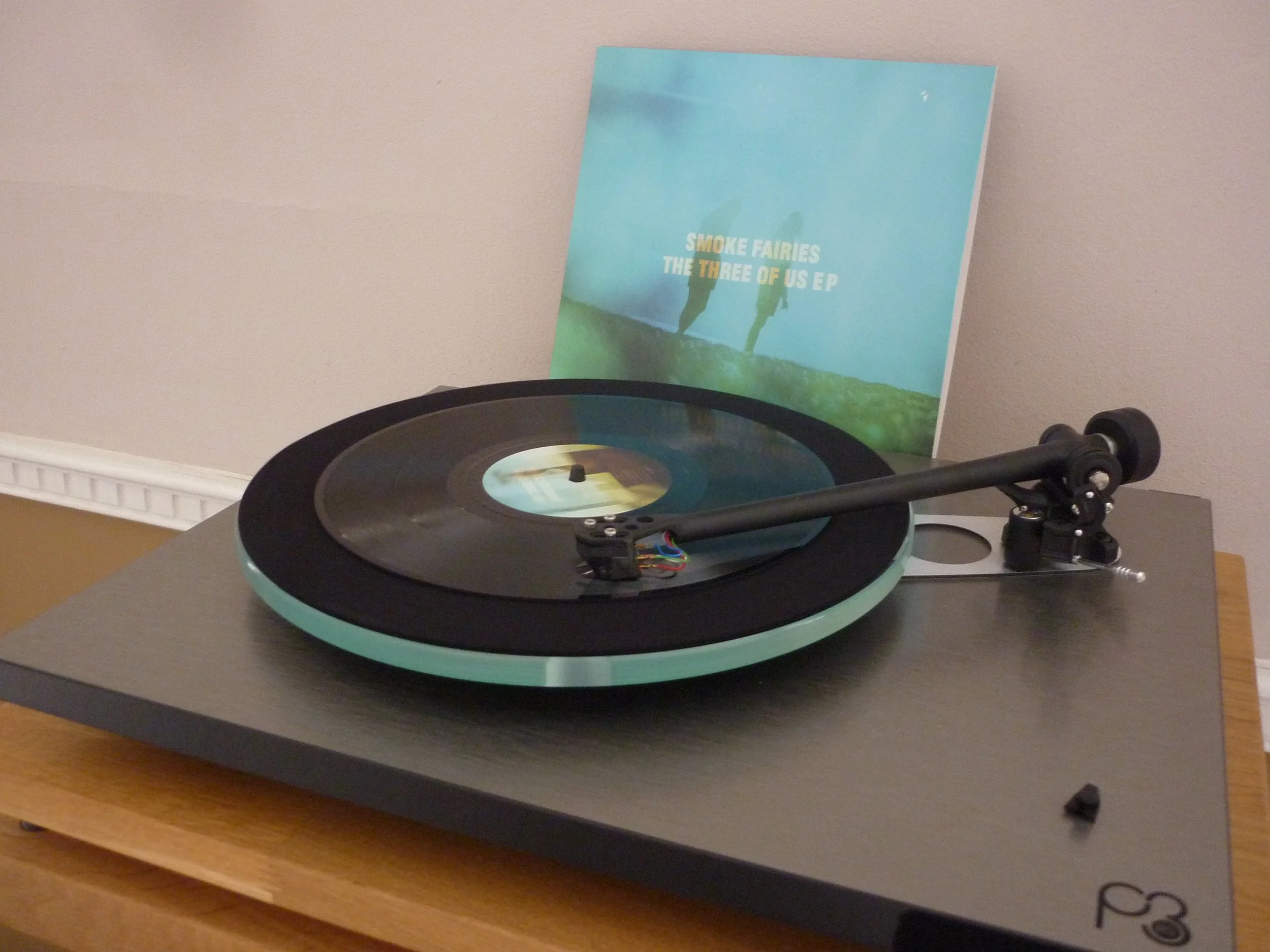
Compare that with something like a Rega Planar 3, where you're very much part of the process.
Personally, I like the ritual of a manual turntable. Taking the record out of the sleeve, giving it a quick clean, lowering the stylus and hearing those first few seconds before the music starts is part of the appeal.
But I'm not going to tell somebody they're "doing vinyl wrong" because they'd rather press a button. They're not.
If automatic operation makes you more likely to play your records, buy an automatic turntable. If you love being involved in the process, go manual.
There isn't an exam at the end.
Don't overlook the cartridge
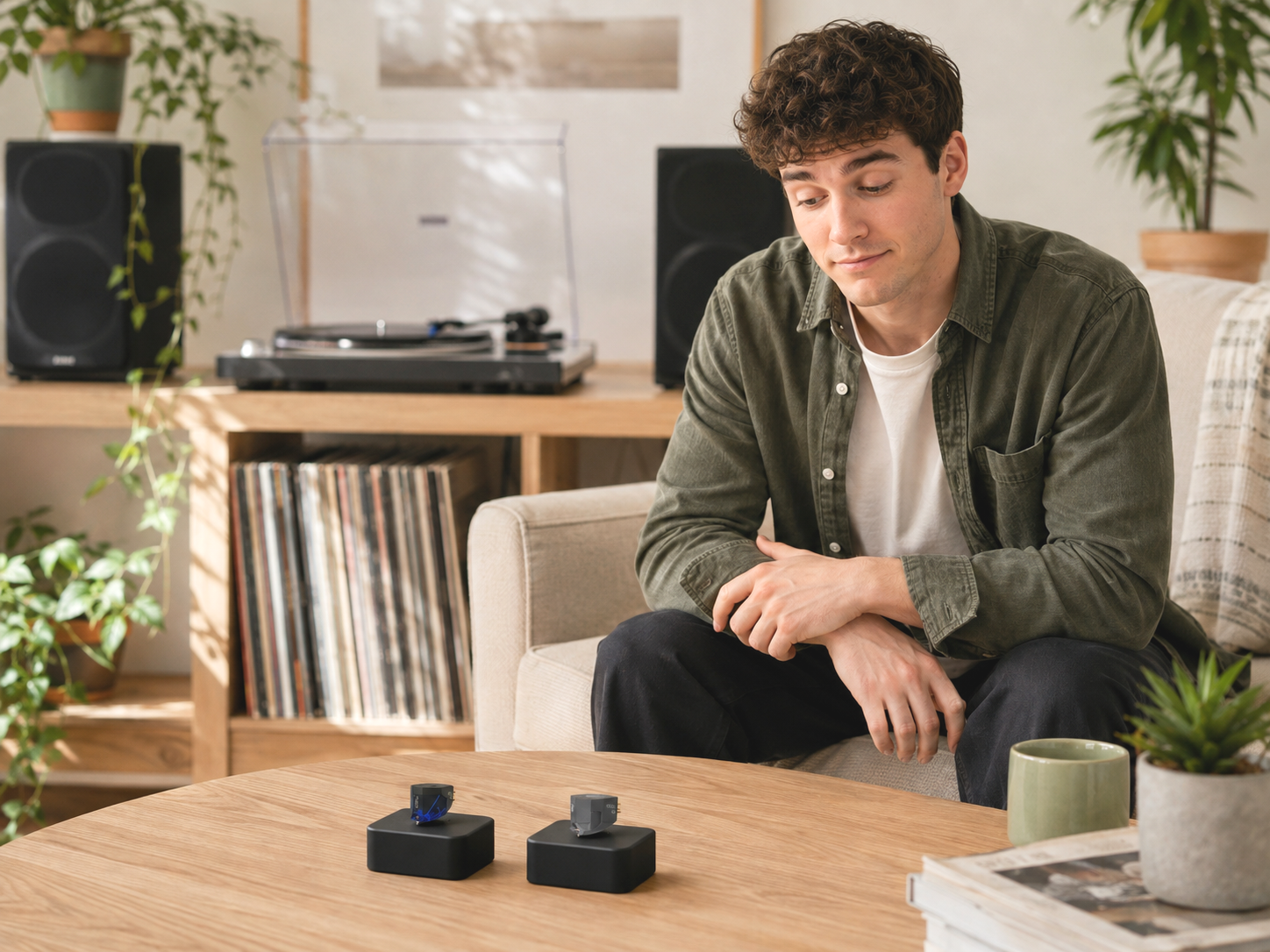
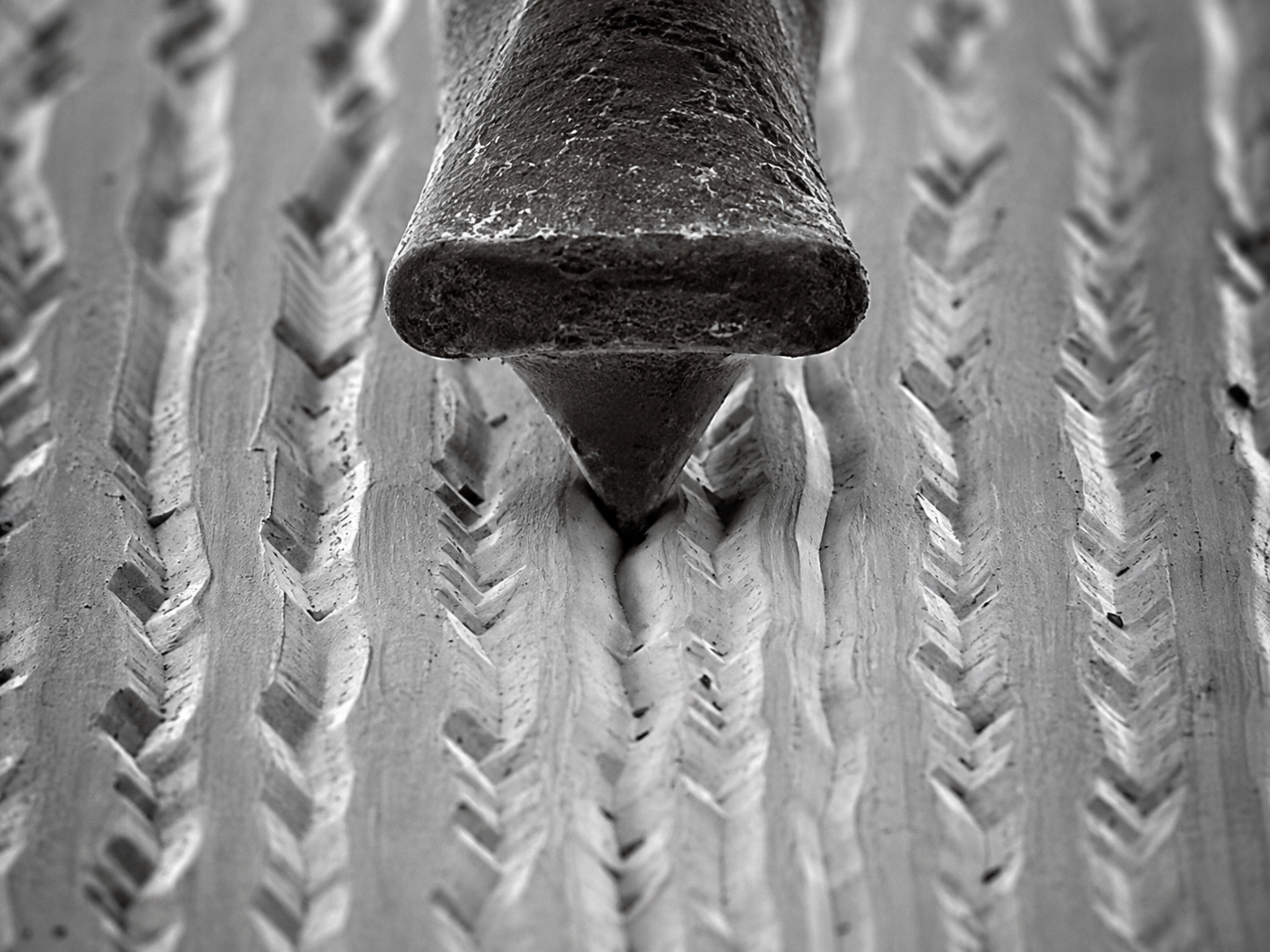
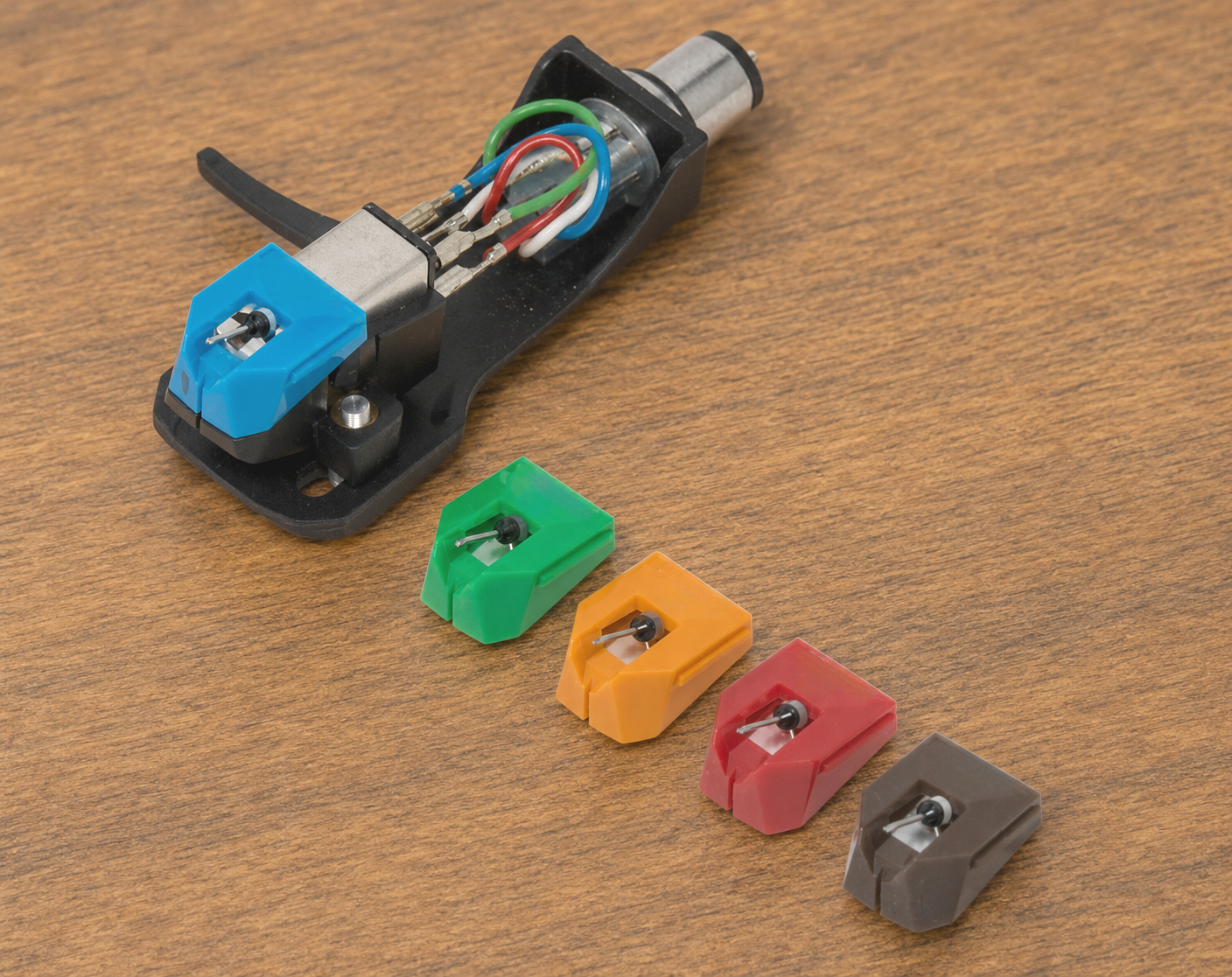
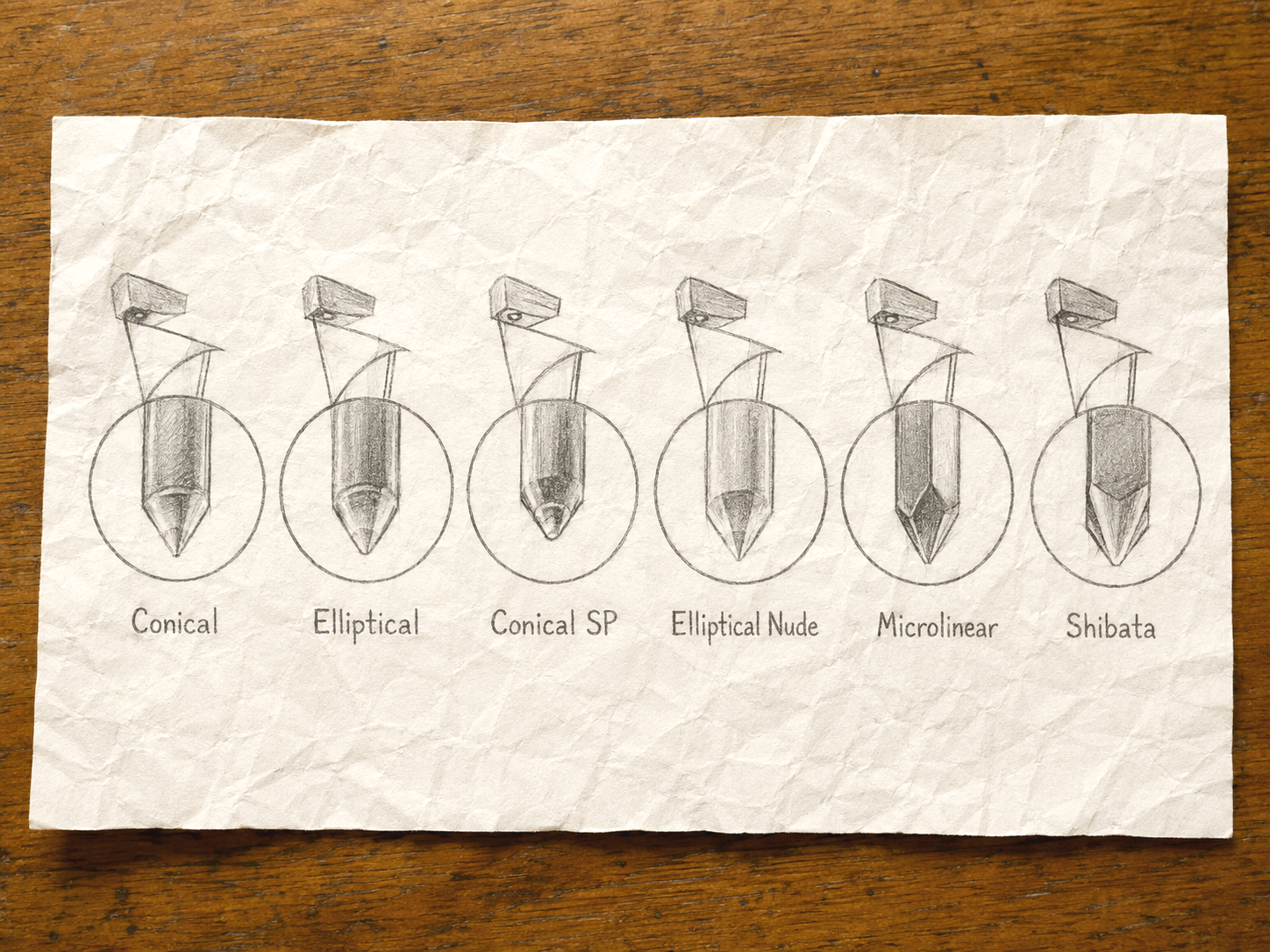
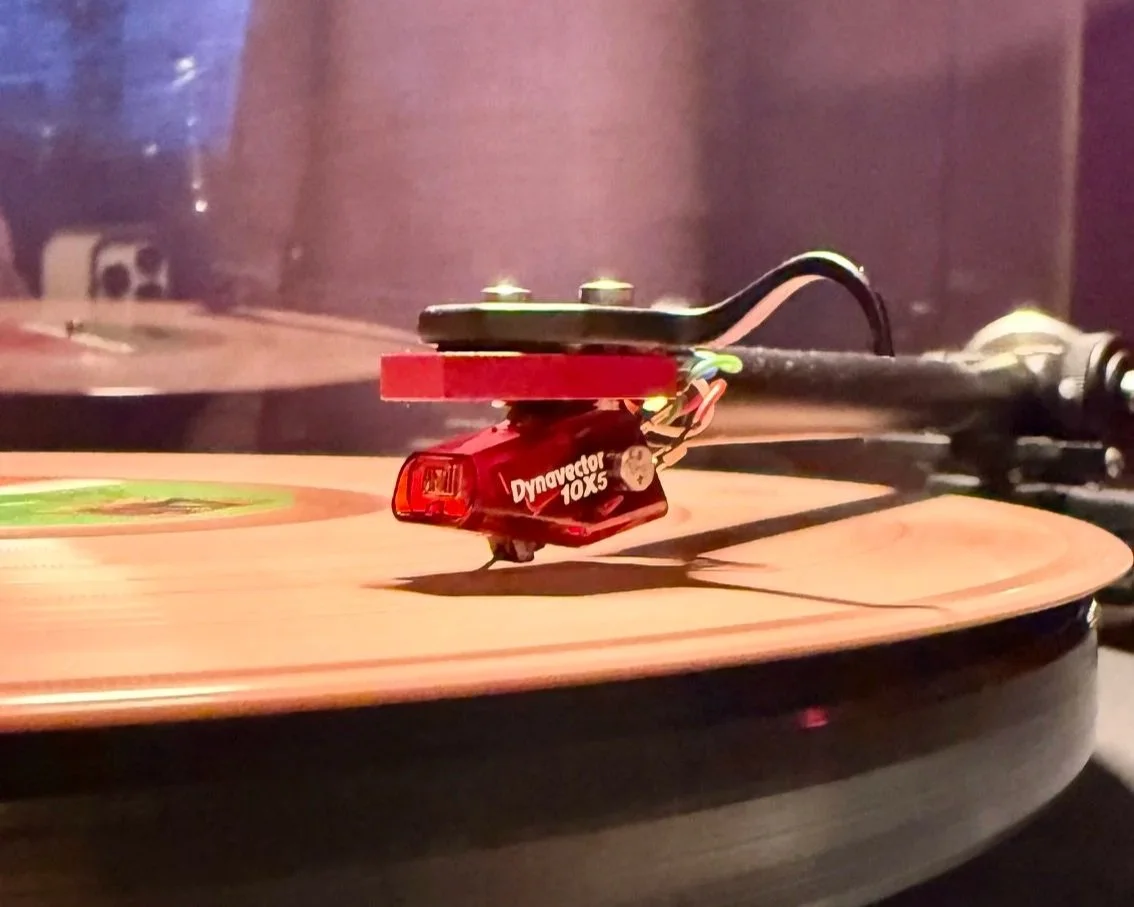
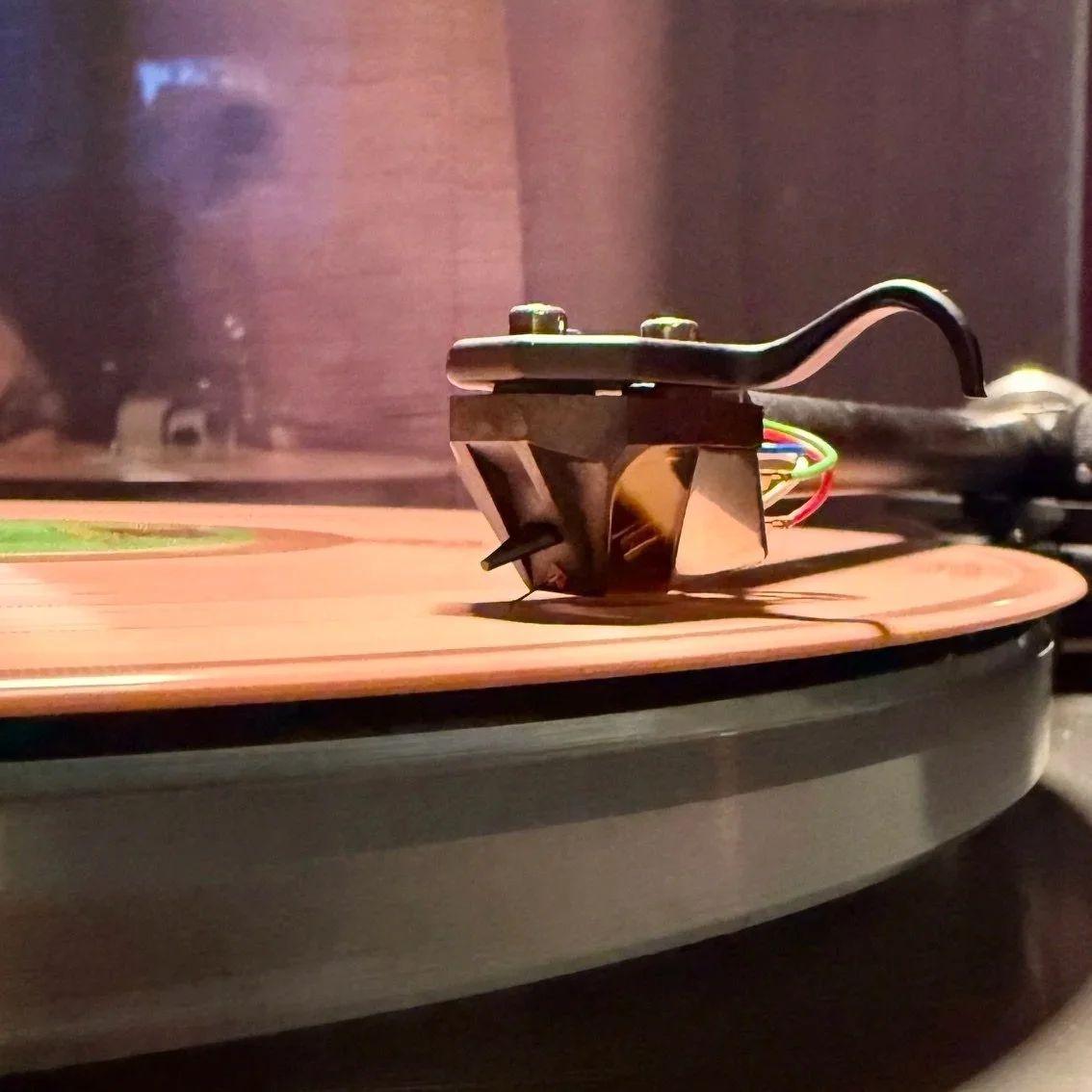
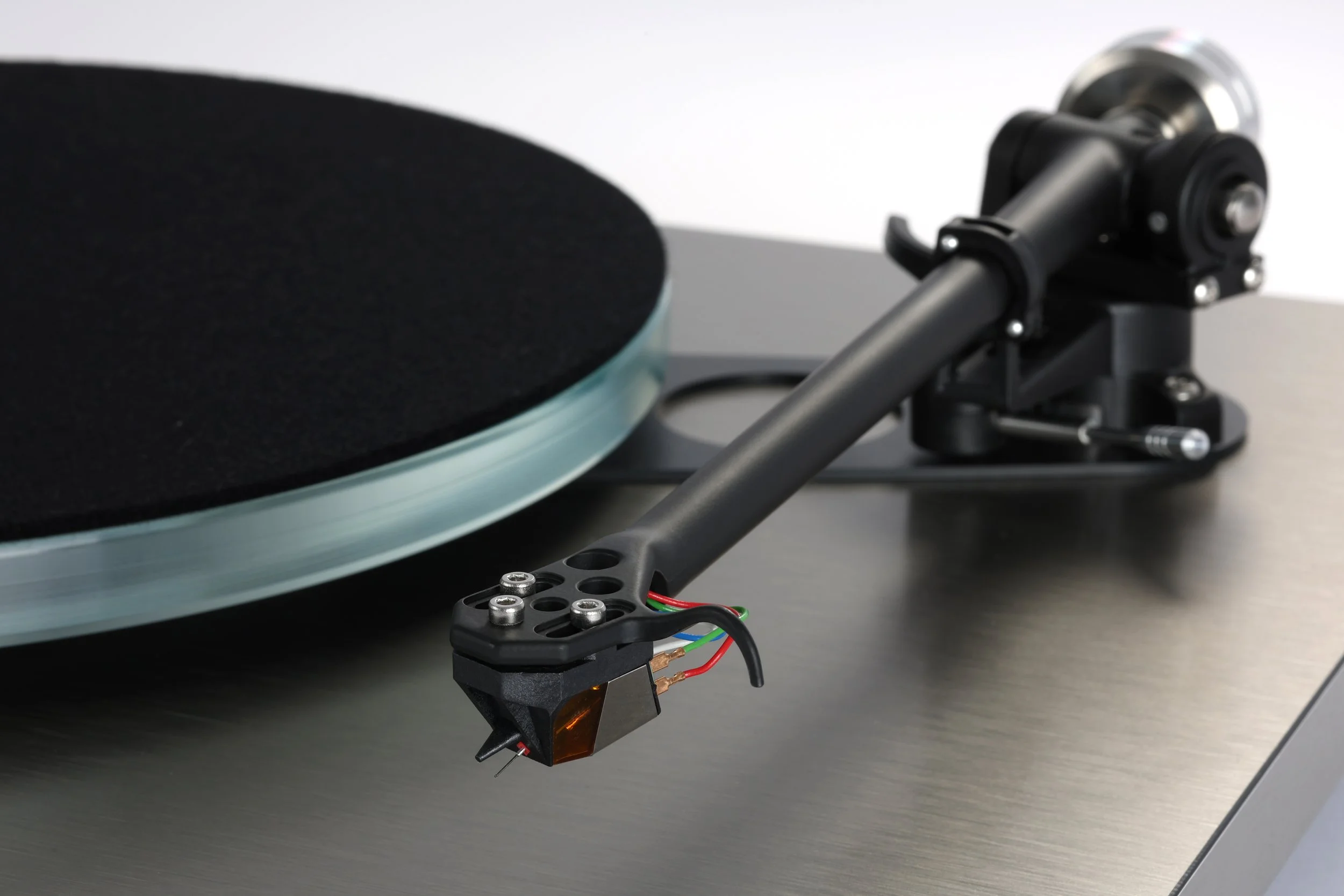
The cartridge is one of the smallest parts of the system and one of the most important. The stylus sits in the record groove and physically follows the information cut into it, with those tiny movements then converted into an electrical signal.
When you really think about what is happening, it's slightly ridiculous that it works at all. And yet here we are.
Many turntables come with a cartridge already fitted and aligned. For somebody buying their first proper turntable, this makes life much easier. As you move further up the ladder, you may find turntables supplied without a cartridge, allowing you to choose one that suits the tonearm and system.
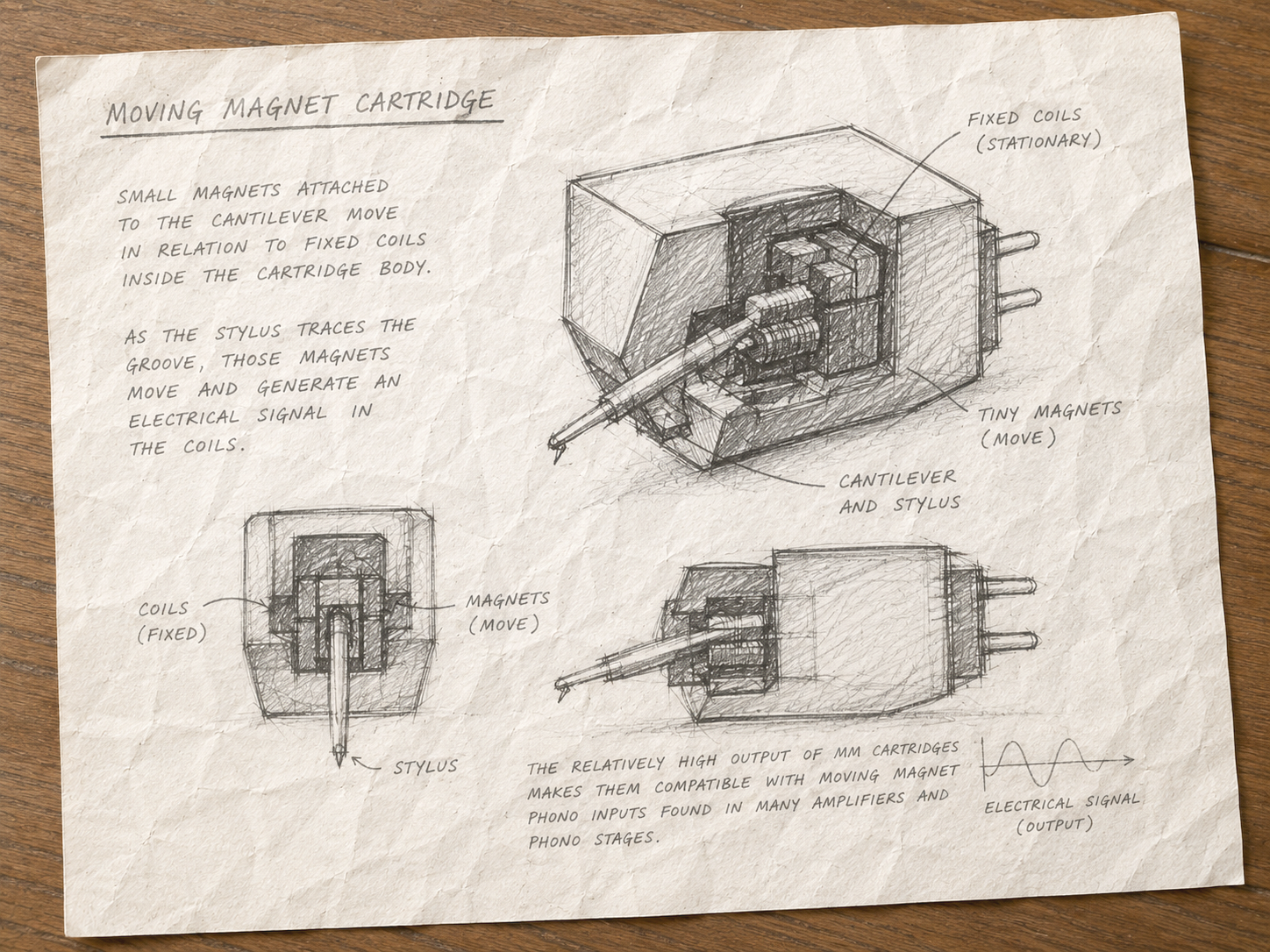
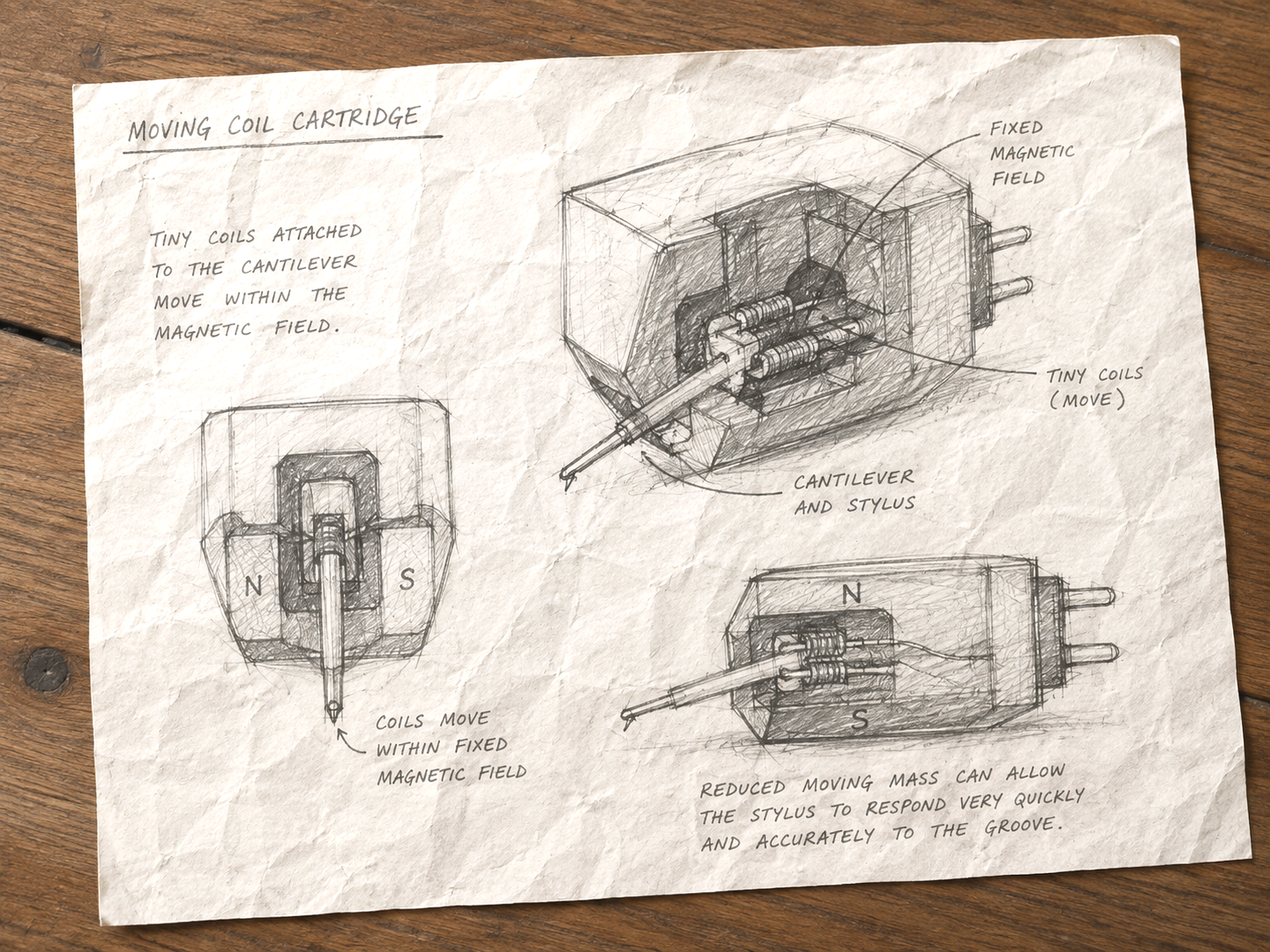
The two main types you'll come across are Moving Magnet (MM) and Moving Coil (MC).
Very broadly, Moving Magnet cartridges are generally easier to live with, widely compatible and often have replaceable styli. Moving Coil cartridges can offer higher levels of performance, but they tend to need more careful matching and usually require a compatible phono stage.
We'll cover all of that properly in our dedicated Moving Magnet vs Moving Coil Cartridges guide.
For now, just make sure you know two things: does the turntable come with a cartridge, and can your phono stage work with it?
How important is turntable setup?
Very. Probably more important than many people realise.
I've spent enough time in recording studios to know that vibration has an annoying habit of turning up exactly where you don't want it. A turntable is trying to read incredibly small movements from a groove, while your loudspeakers are doing their very best to fill the room with vibration.
You can see the potential conflict.
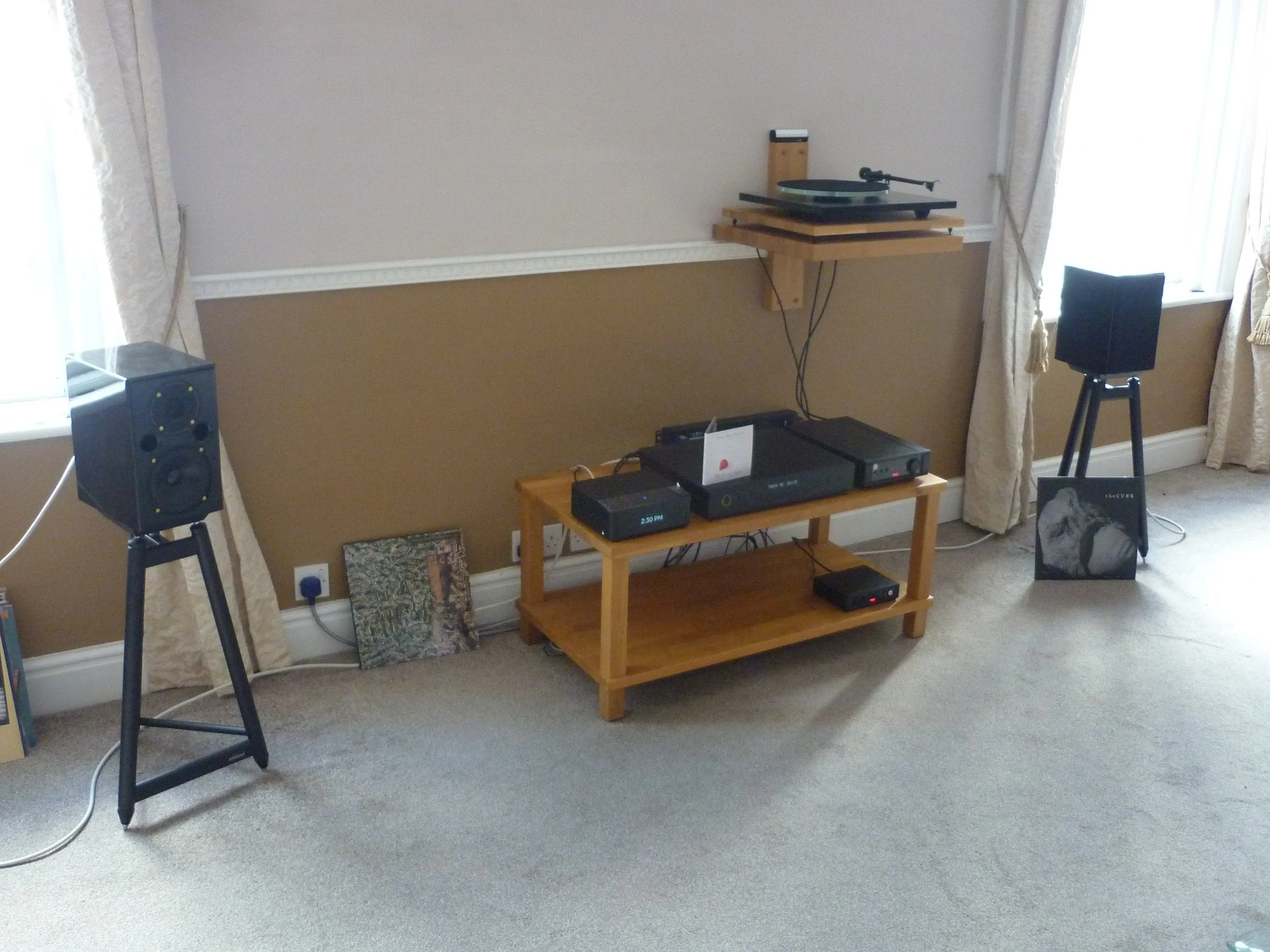
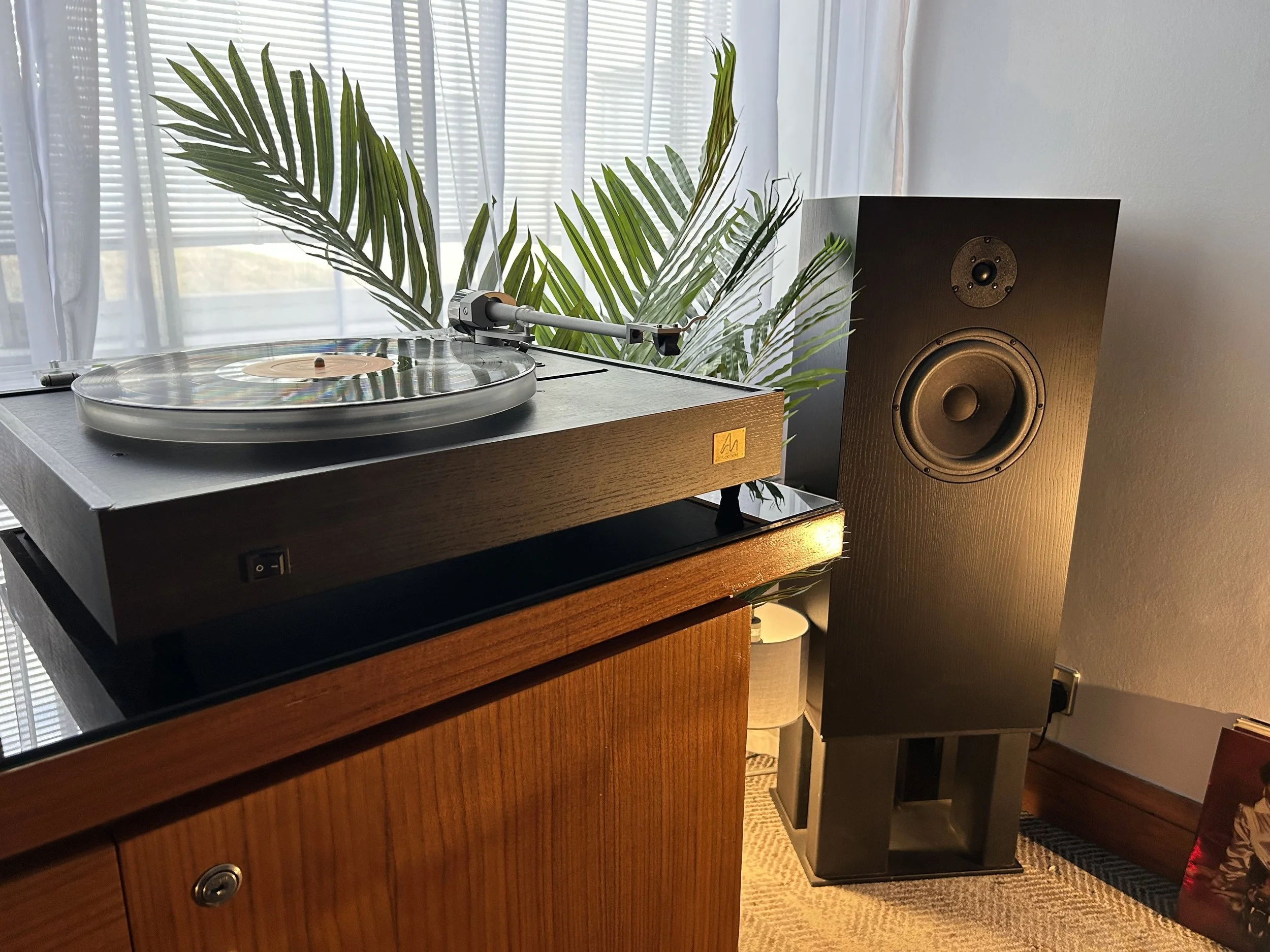
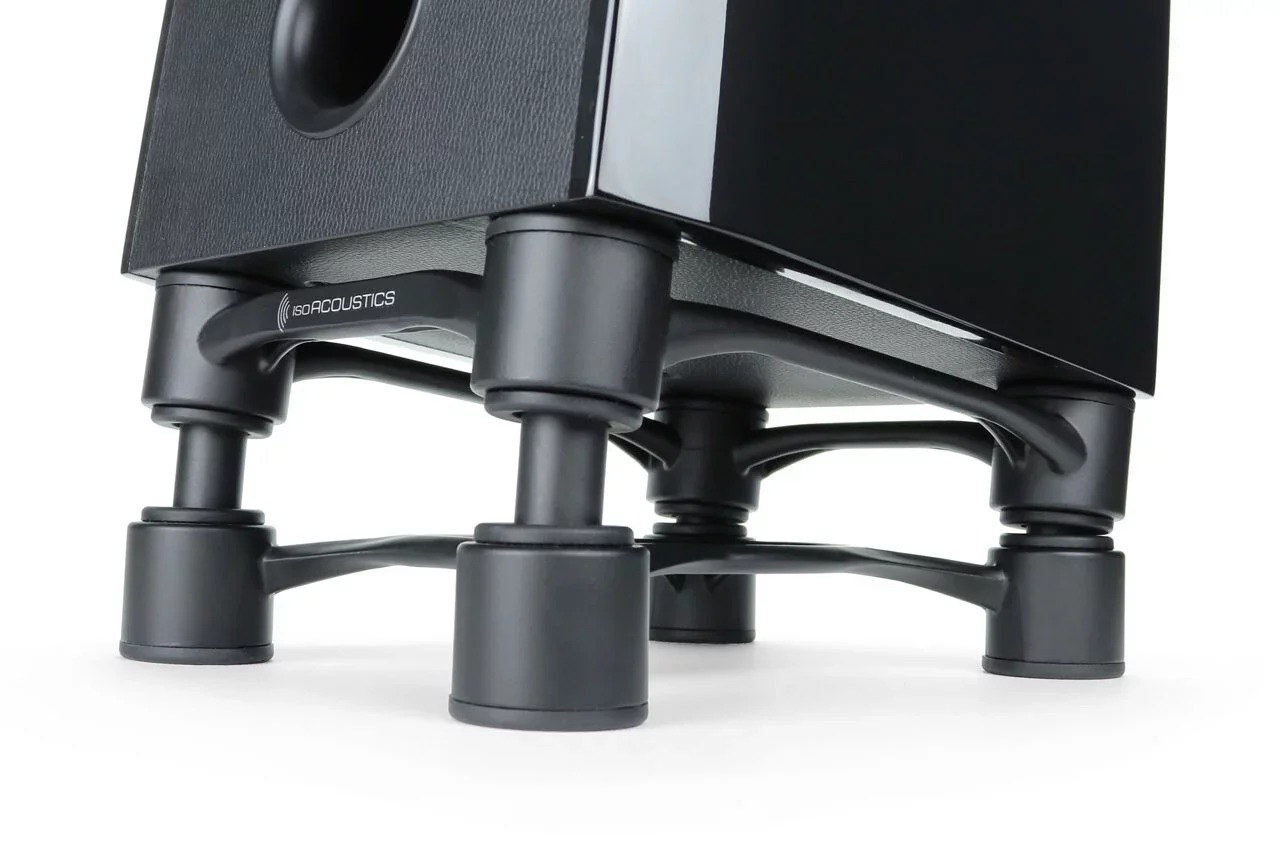
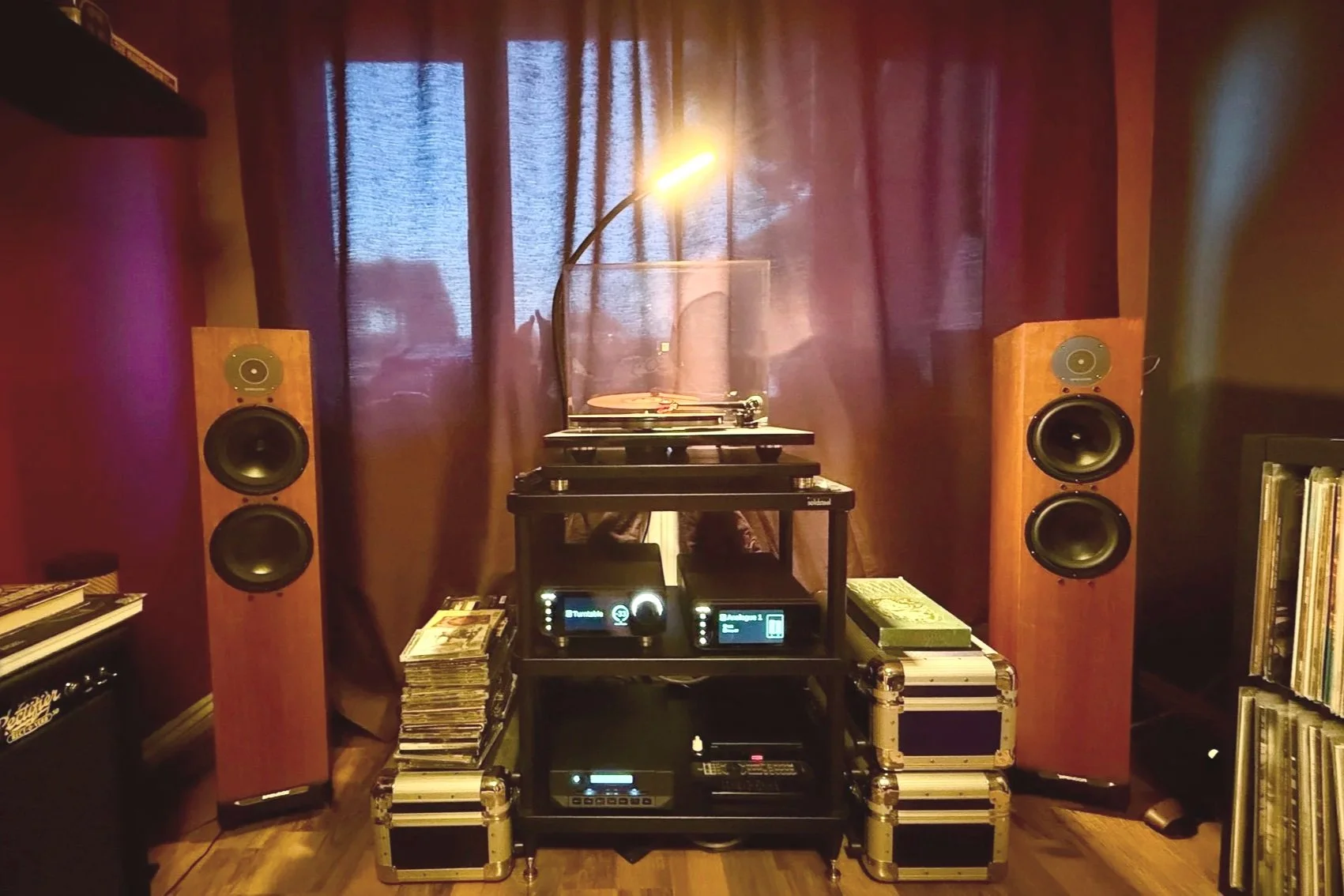
Ideally, your turntable should sit on a solid, stable and level surface, away from the loudspeakers. Putting a turntable and speakers together on the same lightweight sideboard might look lovely on Instagram, but acoustically it isn't always the cleverest idea we've ever had.
And yes, we appreciate that not everybody has the luxury of a dedicated listening room with equipment racks, wall shelves and enough floor space to host a small orchestra. Real homes are real homes.
The point is simply to give the turntable the best chance you reasonably can. If you've got suspended floors, awkward furniture or very powerful speakers, isolation can become particularly important.
Sometimes a decent support or wall shelf can achieve more than spending the same amount of money upgrading another component.
How much setup do you want to do yourself?
This is worth thinking about before buying.
Some turntables are deliberately straightforward. You take them out of the box, make a small number of adjustments and you're listening to music fairly quickly.
Others allow you to adjust:
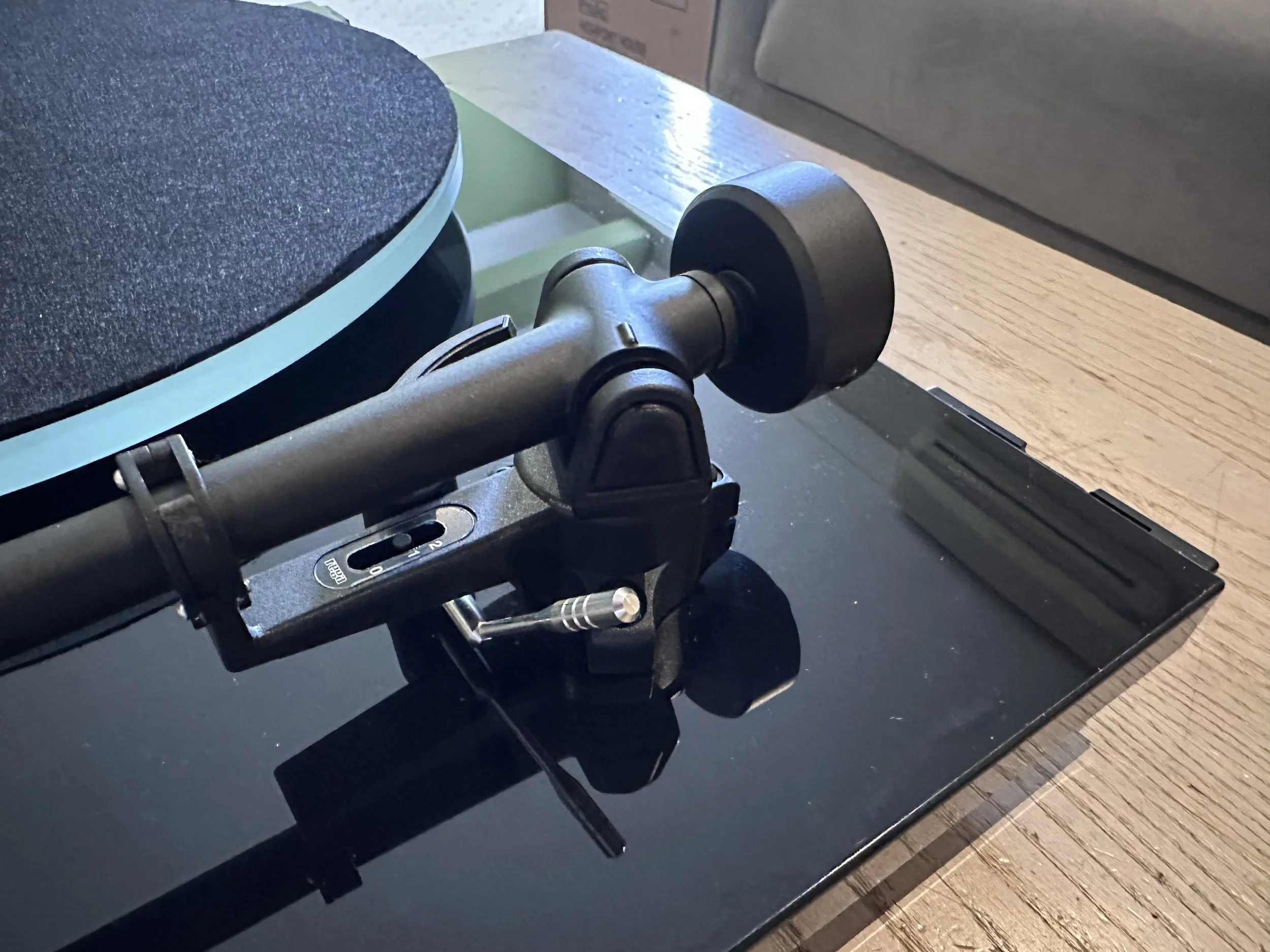
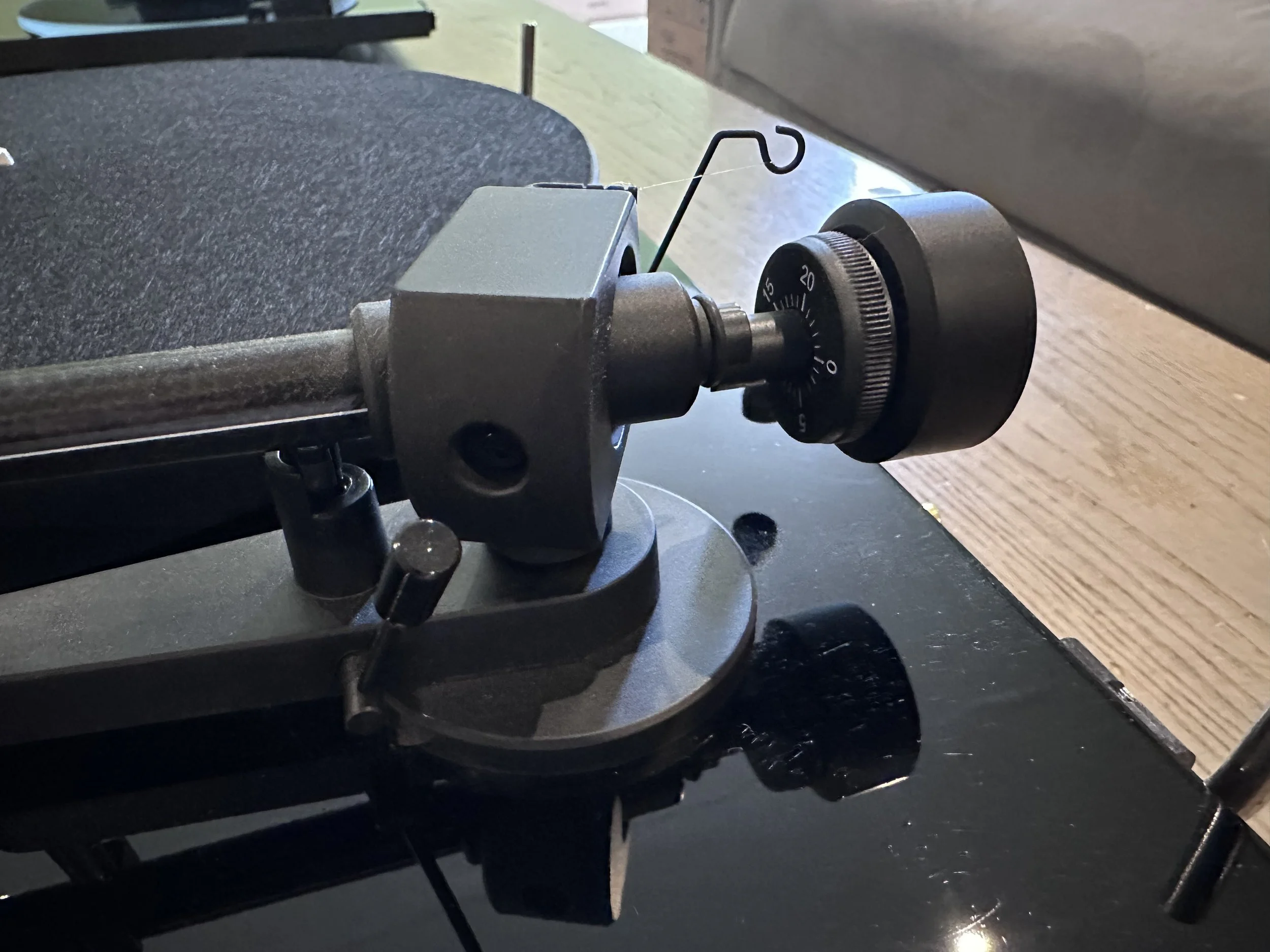
tracking force
anti-skate or bias
cartridge alignment
tonearm height
platter or sub-platter
external power supplies
cartridges
belts
isolation
If you're reading that list and thinking, "Brilliant, I love tinkering", then an upgradeable deck may be exactly what you want.
If you're thinking, "I just want to listen to Rumours", that's fine too. You don't need to turn record playing into an engineering project.
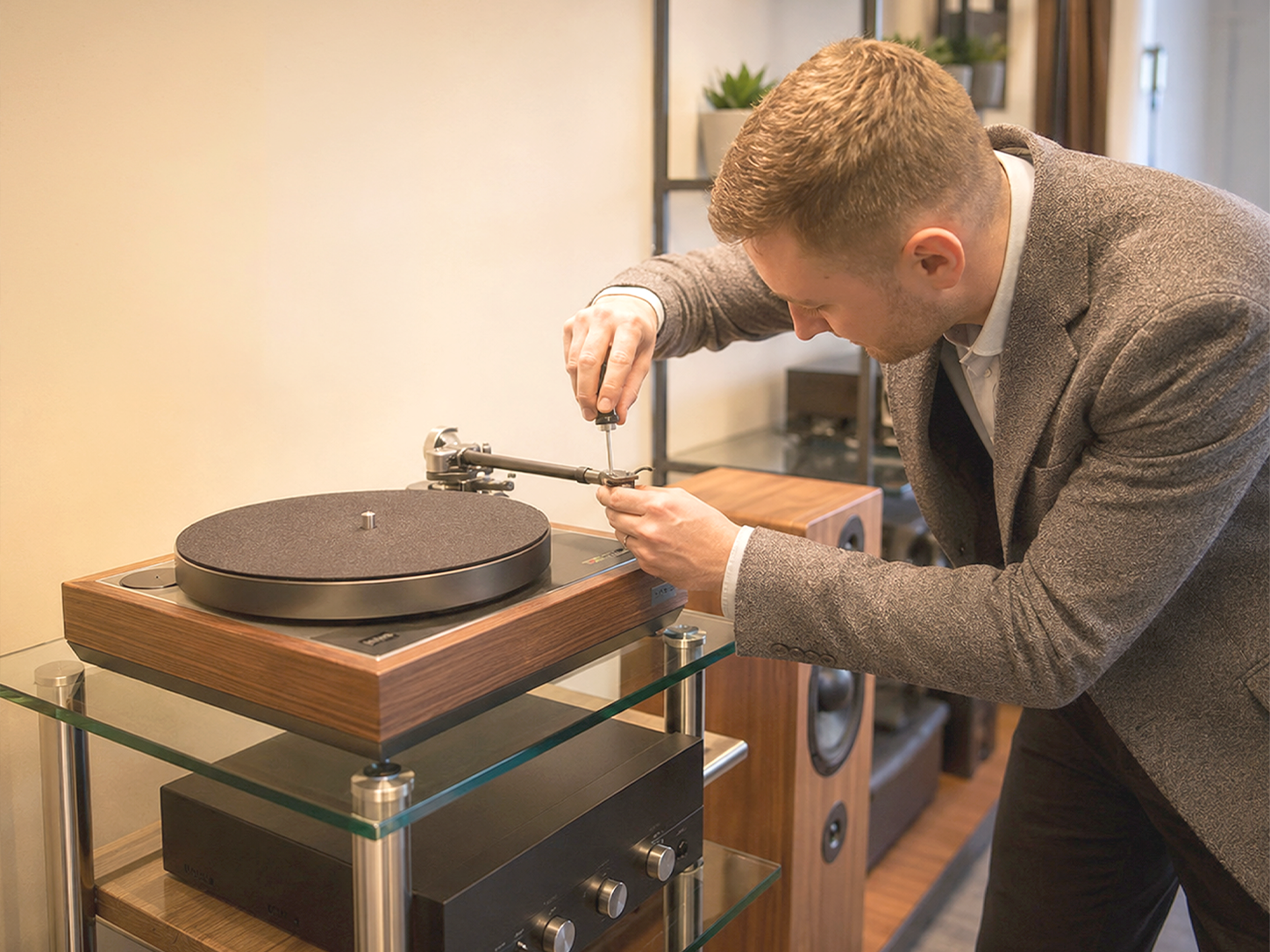
One of the advantages of buying from a specialist is that we can deal with the setup for you. You still get the benefits without spending your Saturday afternoon staring suspiciously at a protractor.
Do you want to upgrade later?
Turntables can be wonderfully upgradeable things.
Depending on the design, you may eventually be able to improve the cartridge, stylus, belt, platter, sub-platter, tonearm, power supply, phono stage or isolation.
How far you can take things varies enormously. A Rega Planar 3, for example, gives you sensible future options around cartridges and power supplies, while something such as the Linn Majik LP12 takes the idea considerably further, with a modular design that can evolve piece by piece over many years.
That can be great fun, but there is a slight danger in Hi-Fi that we spend so much time thinking about what we're going to upgrade next that we forget to enjoy what we've already bought. I've certainly been guilty of it.
An upgrade path is useful. An obligation to keep upgrading isn't.
If you want something that can evolve with your system over the next ten or fifteen years, choose accordingly. If you want to buy a turntable and leave it alone, that's an equally valid approach.
What speeds do you need?
For most people, this is straightforward.
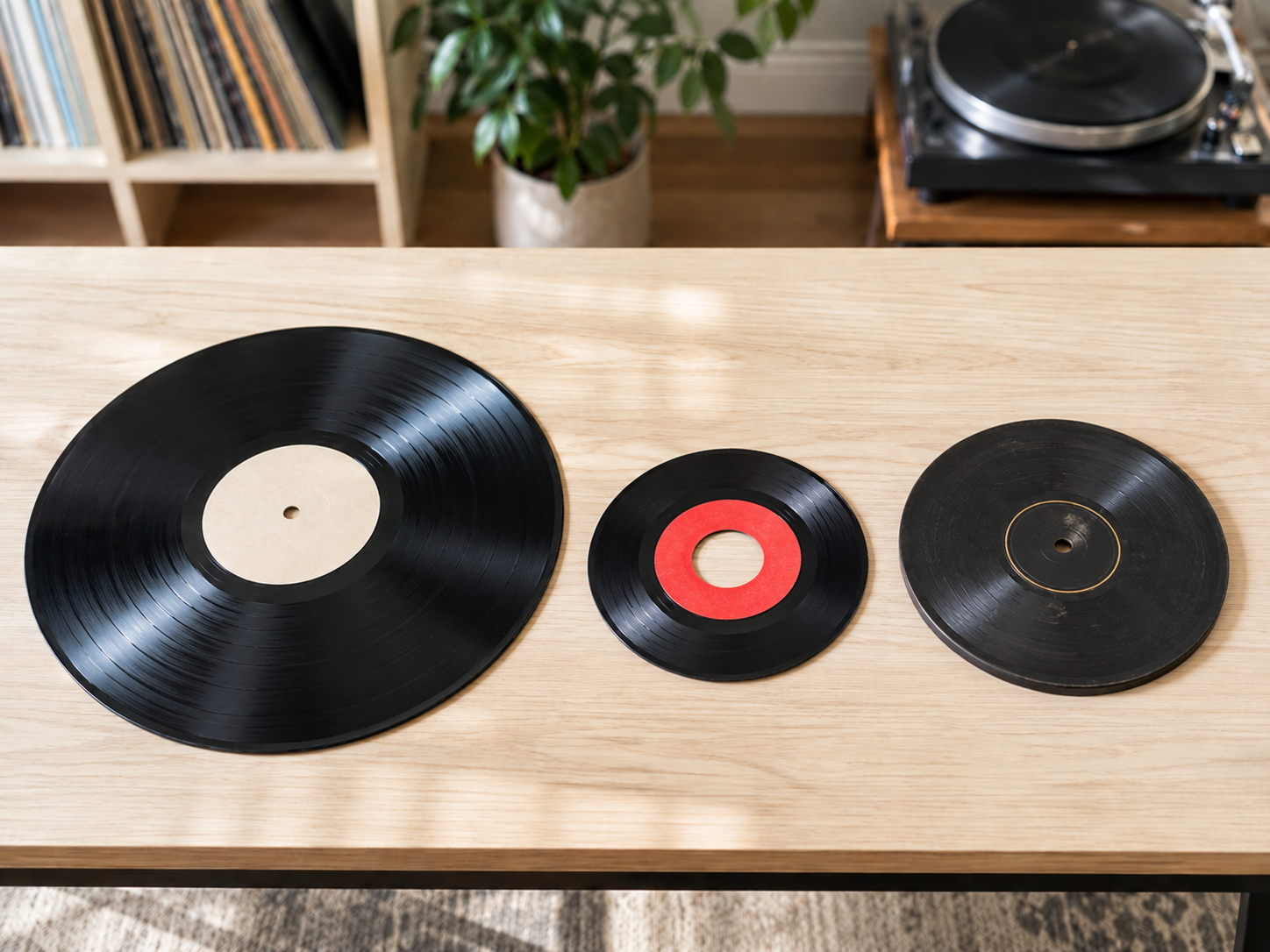
The majority of record collections are made up of 33⅓rpm LPs and 45rpm singles, and practically every conventional Hi-Fi turntable will play both.
The difference is often in how you change speed. Some turntables use an electronic switch, while others require you to move the drive belt manually from one pulley position to another.
Electronic speed change is undoubtedly more convenient. Manual speed change isn't exactly hardship. It takes a few seconds.
Where you do need to pay attention is if you own 78rpm records.
Not every turntable supports 78rpm, although there are models that do. The Audio-Technica AT-LP120XUSB mentioned earlier is one example, while Rega also makes the dedicated Planar 78 specifically for 78rpm records.
12” LP, 7” Single and a 10” Gramophone record
Older shellac records will generally require an appropriate stylus too, so if you've inherited a stack of old 78s from your grandparents, make sure you mention it before buying.
What about Bluetooth and USB?
Turntables have changed.
It's now quite common to find models with Bluetooth, USB outputs or built-in phono stages. Purists may need a cup of tea and a sit down at this point, but there's nothing inherently wrong with these features.
USB can be useful if you want to digitise records. Bluetooth can make vinyl much easier to incorporate into a modern wireless system. A built-in phono stage can simplify the whole setup.
The AT-LP120XUSB is a good example of how these worlds can meet: it's still a fully manual direct-drive turntable with a conventional cartridge and tonearm, but it also has a built-in switchable phono stage and USB output.
The question is whether you need any of those things.
If sound quality is your priority, I'd always start with the fundamentals: is it a good turntable, is the tonearm good, is the cartridge good, and is it well engineered?
Connectivity comes afterwards. There's not much point having seven different ways to connect a turntable if the basic record-playing bit isn't particularly good.
Should I buy a turntable with a built-in phono stage?
For plenty of people, yes. It can make getting into vinyl enormously straightforward.
Turntable into amplifier. Done.
It's particularly useful if you're using active speakers or an amplifier without its own phono input. But if you're building a more ambitious system or think you're likely to experiment with cartridges later, a separate phono stage gives you greater flexibility.
There's no need to get hung up on this. You can build a fantastic system either way.
It comes back to one of the main themes of this whole guide:
Buy for how you're actually going to use it.
Not for how somebody on the internet tells you a "proper" vinyl system should look.
Don't become obsessed with specifications
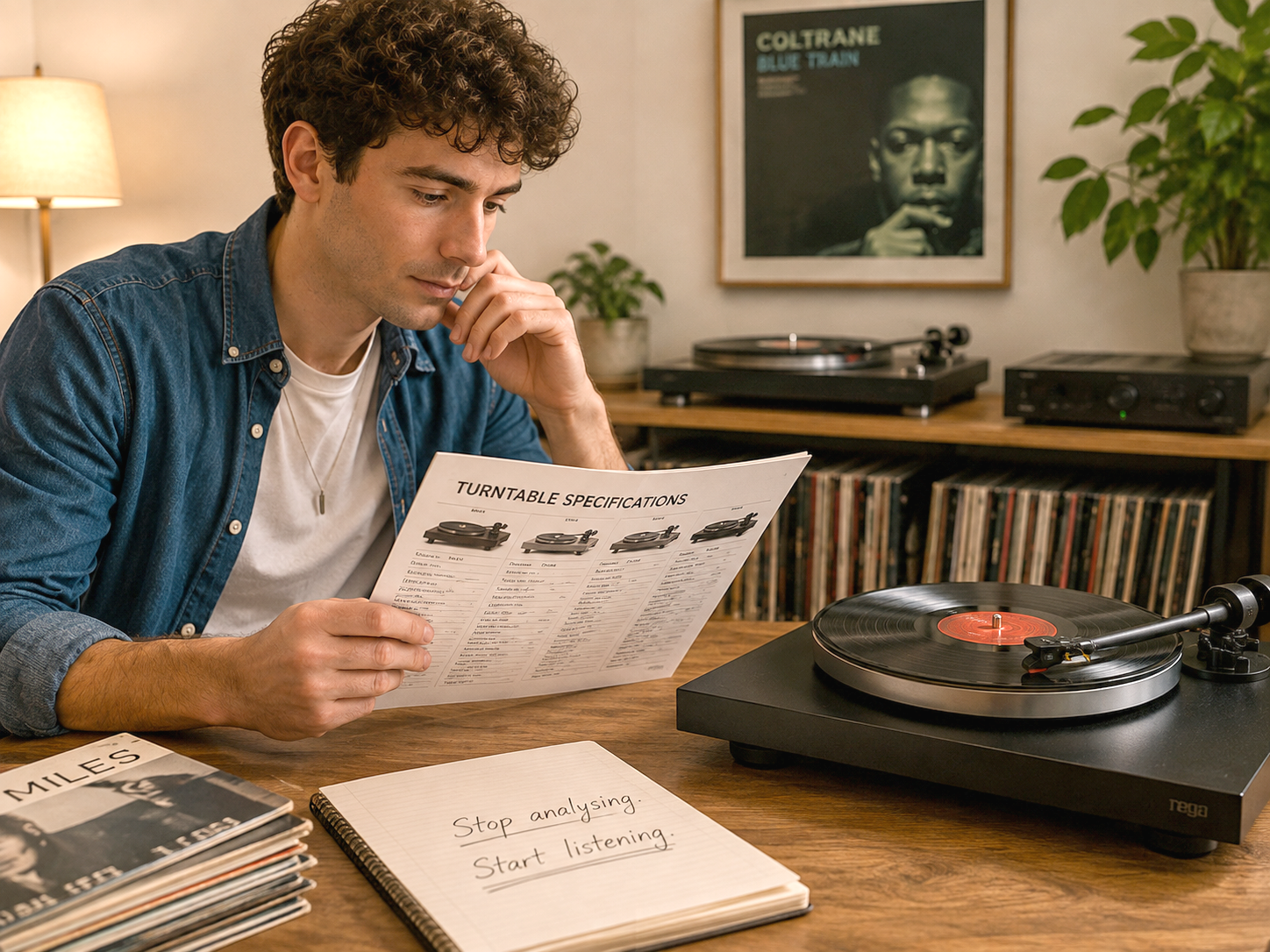
Specifications are useful. They can tell you about things like speed accuracy, wow and flutter, output level, tracking force and dimensions.
What they can't tell you is whether you'll actually enjoy listening to the turntable.
I studied this stuff. I still don't sit at home admiring a wow-and-flutter figure.
At some point you need to put a record on.
Two turntables costing roughly the same amount can sound quite different. One might feel more rhythmically engaging, while another might sound bigger and more spacious. You might prefer one immediately and somebody else might choose the other.
Neither of you is wrong. That's the joy, and occasional frustration, of Hi-Fi.
Take records you actually know to a demonstration
This might sound obvious, but it's worth saying.
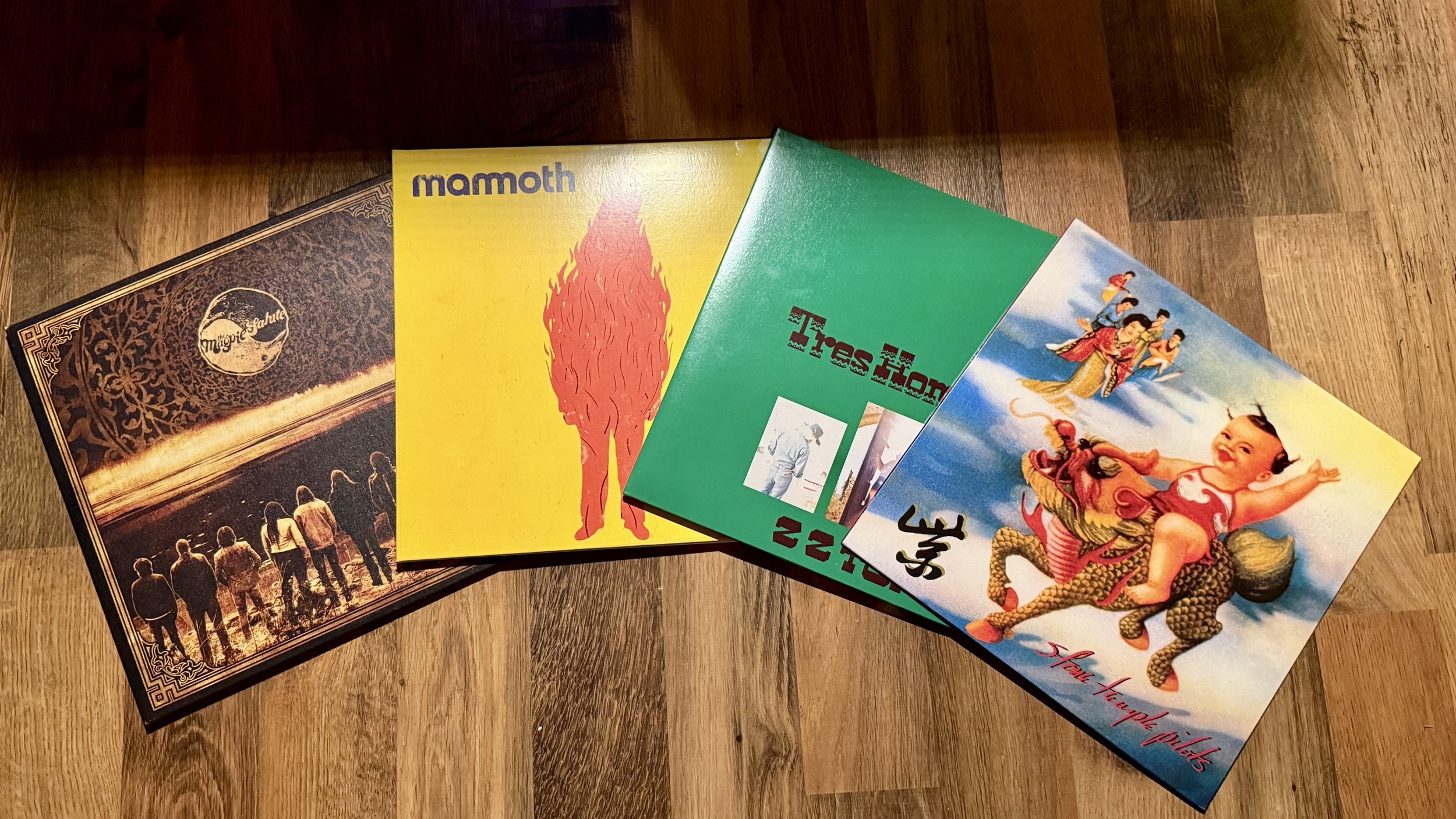
If you're comparing turntables, take music you know. Not an immaculate £50 pressing of something you've never heard before simply because somebody told you it's "audiophile".
Take your records.
I've got records that are beautifully produced. I've also got records I adore that sound like they were recorded in a shed with three microphones and a prayer.
Both matter to me.
If you've listened to an album hundreds of times, you'll immediately hear when something changes. You'll notice the bass, the voice, whether the drummer suddenly sounds like they're actually sitting behind the kit rather than being politely suggested somewhere in the distance.
And you'll know whether you're enjoying it.
That is far more useful than trying to remember a list of Hi-Fi terminology while somebody stands next to you waiting for a verdict.
How much should you spend on a turntable?
The annoying answer is:
It depends.
I know. Helpful. But there's genuinely no universal figure.
Spend enough to achieve the performance you want without completely unbalancing the rest of your system.
If vinyl is your main source, then spending a significant proportion of your budget on record playback can make perfect sense. If vinyl is something you enjoy occasionally alongside streaming and CD, you may want to spread the budget differently.
And don't forget that the turntable itself may not be the whole bill. You could also need:
a cartridge
a phono stage
interconnects
equipment support
record cleaning equipment
replacement styli
There's little point spending every last penny on the turntable and then balancing it on an old IKEA unit next to the subwoofer because you forgot about everything else.
New to vinyl? Don't overthink it
If this is your first proper turntable, there is a temptation to research absolutely everything.
YouTube reviews. Forums. Specifications. Cartridge compliance calculators. Arguments between complete strangers about whether a particular belt sounds better after 37 hours of running in.
Eventually your brain melts.
Start simple. Ask yourself:
What equipment do I already have?
How much do I want to spend?
Do I want manual or automatic?
Do I need a phono stage?
Do I want to upgrade things later?
Where will the turntable sit?
Then listen. You can learn the rest as you go.
That's half the fun.
My advice: buy the turntable that makes you want to play records
After all the technical stuff, this is really where I land.
A turntable isn't there to impress somebody reading your equipment list. It's there to play music.
Some people want a beautifully simple deck they can keep for twenty years. Others enjoy upgrading cartridges, power supplies, phono stages and everything else they can get their hands on.
Some people have thousands of records. Others have just bought their first five. There is room for all of them.
For me, vinyl has always been about the connection with the music. Choosing an album, pulling the record from its sleeve, looking at the artwork, lowering the tonearm and dropping the stylus.
Then inevitably realising you've left your cup of tea on the other side of the room just as the music starts.
That's part of it.
The best turntable isn't automatically the most expensive. It isn't necessarily the one with the longest specification sheet. And it definitely isn't the one somebody on a forum tells you you're supposed to own.
It's the one that works properly with your system and makes you want to get another record off the shelf.
Before you buy…
Does my amplifier have a phono stage?
Check for a Phono input, and whether it supports MM, MC or both.Does the turntable include a cartridge?
Some do, some don't. Make sure you know what's included in the price.Where is it going to sit?
Stable, level and ideally away from your speakers.Do I want manual or automatic?
There's no right answer. Pick the one you'll actually enjoy using.Can I hear it first?
Preferably. Take a couple of records you know and see what grabs you.
Still not sure which turntable is right for you?
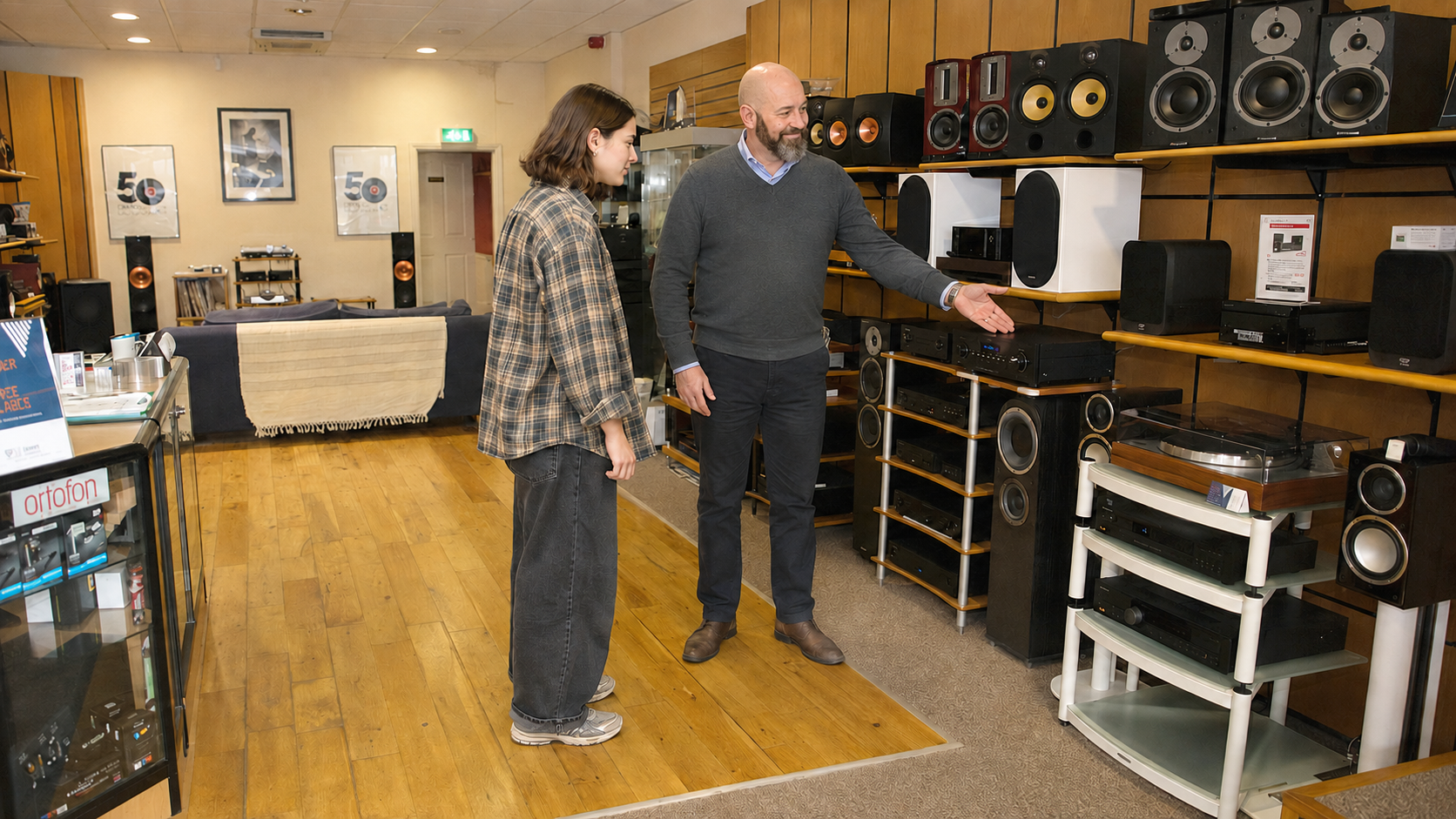
Come and talk to us. That's not a clever marketing line. Turntables are simply much easier to choose when you can see them, hear them and work out how they'll fit into the rest of your system.
You can browse our full range of turntables here, or better still, bring along a couple of records you know well and visit your local Audio T store.
We can help you choose the right turntable, cartridge and phono stage, make sure everything works with the equipment you already own and take care of the setup too.
You don't need to know all the terminology before you walk through the door. That's our job.
Yours is to bring your ears.
Thanks for reading.
Brad Tyler – Head of Marketing at Audio T
If you have any questions about any of the equipment featured in this article, or any other Hi-Fi or home cinema enquiries, be sure to contact your local Audio T.
If you’ve enjoyed this, why not go ahead and read some more of our other blogs, and be sure to follow us on our social media channels below…
Turntables from varying brands can be found at all Audio T stores: